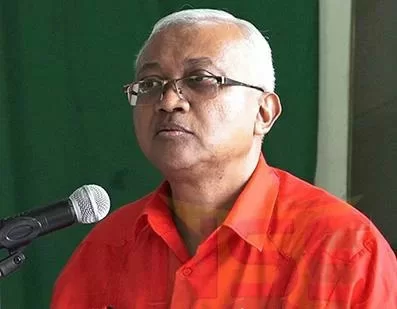
Suriname’s public sector wage structure faces mounting scrutiny as Ravaksur Plus, the country’s central labor organization, prepares to leverage recently disclosed judicial compensation scales in upcoming government negotiations. Michael Miskin, Chairman of the Central Civil Servants Organizations (CLO), confirmed to Starnieuws that the union will demand substantial adjustments to address growing disparities within government pay grades.
The controversy stems from revelations that high-ranking judicial officials receive compensation far exceeding established benchmarks. While Surinamese law mandates that the President of the Court of Justice and the Attorney General earn 95% of the presidential salary (approximately SRD 130,000 monthly), additional benefits have created significant deviations. Through seniority calculations and annual 5% incremental increases, some judicial officials now reportedly receive net monthly payments reaching SRD 1 million – vastly surpassing the intended compensation structure.
Miskin highlighted two potential solutions: either elevating all public servants to match judicial wage levels or rolling back recent judicial increases. He emphasized that the foundational principle preventing any government employee from exceeding the presidential salary has been effectively undermined. The union leader also questioned internal inconsistencies, noting that the Court’s Vice President reportedly earns more than the President, while the Attorney General receives double the intended amount.
Compounding the issue, these salary adjustments were applied retroactively to January 2024, resulting in purported windfalls exceeding SRD 20 million for some officials. The situation creates a compounding problem: any percentage increase negotiated for civil servants would automatically elevate judicial salaries further, perpetuating the disparity.
Ravaksur Plus anticipates government action to correct these structural imbalances and will prioritize the issue during forthcoming wage negotiations, potentially setting the stage for significant public sector reforms.