The Caribbean nation of Saint Lucia has escalated its public health monitoring protocols in response to confirmed Nipah virus cases detected in Kolkata, India, on January 13. While international health assessments maintain that the Caribbean region faces minimal risk, health authorities are implementing precautionary measures due to the virus’s historical fatality rates of 40-75% and absence of approved vaccines or treatments.
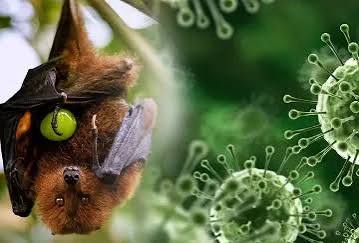
Health officials note that the Nipah virus, primarily carried by fruit bats and first identified in 1999 during outbreaks among pig farmers in Malaysia and Singapore, has never been recorded in human cases outside Asia. Transmission occurs through infected animals, contaminated fruit products, and human-to-human contact in close quarters.
Saint Lucia’s surveillance enhancement includes strengthened port controls and healthcare facility monitoring, with multi-sectoral coordination between agricultural, veterinary, and public health education departments. Infection control protocols are being reinforced, and early detection systems with isolation procedures are undergoing comprehensive review.
The island nation currently lacks local testing capabilities for the virus, with plans to route potential samples to the Caribbean Public Health Agency’s reference laboratory if needed. Health authorities acknowledge global travel patterns as a consideration, noting that Saint Lucia’s primary tourism markets—the United States and United Kingdom—are among the top destinations for travelers originating from India.