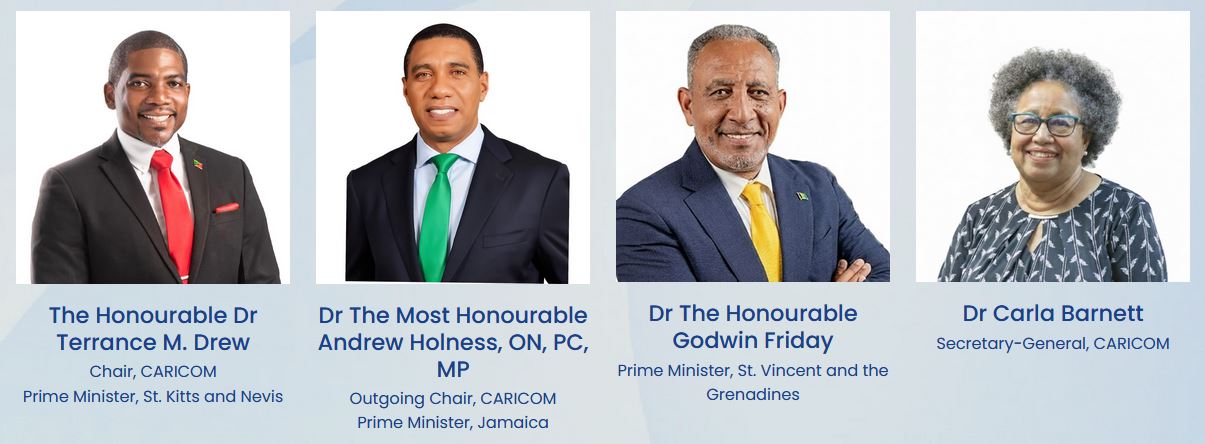
As the Caribbean Community (CARICOM) prepares for its landmark Fiftieth Regular Meeting of Conference Heads of Government, the regional bloc faces unprecedented internal divisions over foreign policy alignment. The escalating tensions stem primarily from Trinidad and Tobago’s dramatic shift toward supporting US interventionist policies in the region, creating what insiders describe as a ‘clash of foreign policy outlooks’ among the 14 member states.
The fracture lines became visible in September 2025 when Trinidad and Tobago’s Prime Minister Kamla Persad-Bissessar announced new organizing principles for her government’s foreign policy during the UN General Assembly. Since then, Port-of-Spain’s growing alignment with Washington’s strategic interests has raised concerns among fellow CARICOM members about the bloc’s commitment to multilateral diplomacy.
This polarization has manifested most visibly in member states’ changing relationships with Cuba. Several nations, including Guyana and Antigua and Barbuda, have abruptly terminated long-standing medical cooperation agreements with Havana—moves that coincide with increased US pressure under the emerging ‘Donroe Doctrine.’ The doctrine has effectively forced small Caribbean states to reconsider traditional alliances, creating what analysts describe as a ‘quandary’ between regional solidarity and practical dependence on US economic and security support.
The situation is particularly acute for Guyana, where US dominance in oil and gas exploration creates significant dependency. As one insider noted, ‘It is difficult for Guyana to be too independent of the United States’ given both economic reliance and security considerations regarding Venezuela.
CARICOM leaders are expected to address these tensions in caucus sessions during the February 24-27 summit. The discussions will focus on two primary concerns: the bloc’s disconnect with Trinidad and Tobago’s new orientation, and member states’ varied responses to ‘America First’ unilateralism. Recent diplomatic efforts, including CARICOM Chair Terrance Drew’s meeting with Persad-Bissessar last month, have shown promising signs of reconciliation, but observers agree that a ‘deep reset’ of political relations is urgently needed.
The summit’s outcome may determine whether CARICOM can maintain a coherent vision of regional unity amid growing geopolitical pressures. As one commentator noted, ‘Regional politics ought to enable integration-related institutions to take steps toward—rather than away from—the realization of regional unity.’ Whether the summit can achieve this remains uncertain, but the stakes for Caribbean solidarity have never been higher.