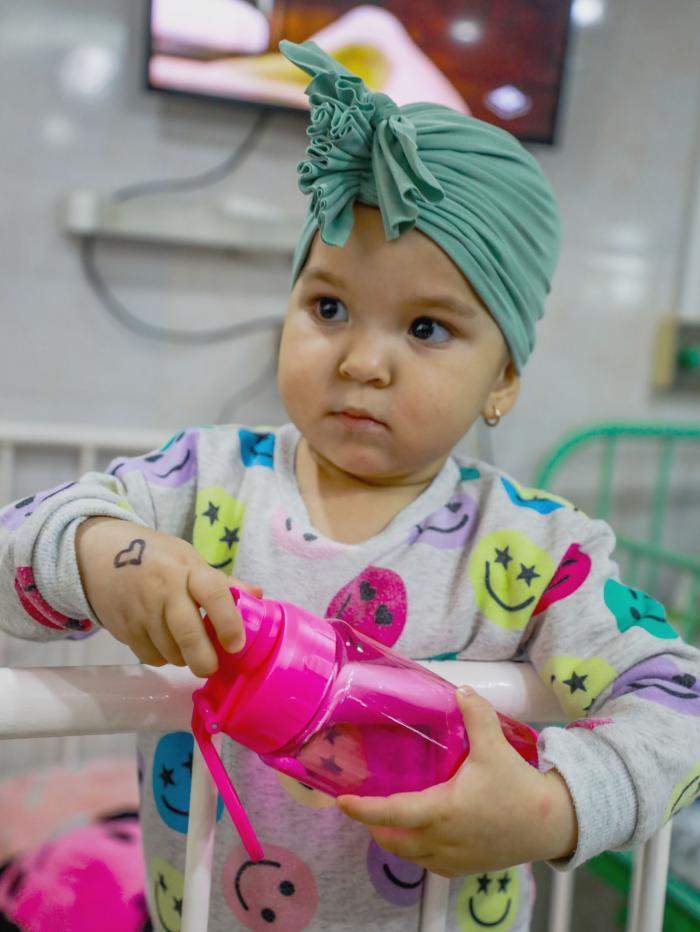
In the pediatric oncology ward of Cuba’s National Institute of Oncology and Radiobiology (INOR), life unfolds with heartbreaking fragility and extraordinary resilience. Here, children play amidst their battles with cancer, while medical professionals wage a daily war against both disease and scarcity. Dr. Mariuska Forteza Sáez, head of INOR’s Pediatric Oncology Department, leads a team that consistently achieves survival rates comparable to developed nations despite severe medication shortages and equipment limitations.
The Cuban healthcare system faces unprecedented challenges in cancer treatment due to the longstanding US economic blockade. With one cancer death occurring every 20 minutes and 50,000 new cases diagnosed annually, the nation’s medical professionals must constantly adapt treatment protocols when first-line chemotherapy drugs are unavailable. Doctors frequently modify regimens, sometimes using less effective or more toxic alternatives when essential medications remain inaccessible.
Dr. Luis Martínez Rodríguez, INOR’s director, emphasizes that while 40% of cancers could be prevented through lifestyle changes, the current economic situation has significantly reduced clinical research capabilities. From over 30 clinical trials, the institution now maintains only the most critical studies due to reagent shortages.
Remarkably, Cuba has developed significant biotechnological capabilities despite these constraints. Dr. Elías Gracia Medina notes that 40% of the country’s cancer drugs are manufactured domestically, building on pioneering work that began with Cuba’s first monoclonal antibody development in the 1980s. The Center for Molecular Immunology (CIM) has become a leader in therapeutic vaccines and antibodies.
The human impact extends beyond medication shortages. Patients struggle with transportation to hospitals, nutritional challenges, and even power outages affecting medical equipment. Dr. Carlos Alberto Martínez Blanco condemns the sanctions as ‘inhumane and genocidal measures’ that attack fundamental rights to life and healthcare.
Through telemedicine collaborations with leading centers in Canada, Spain, Mexico, Russia, Japan, and China, Cuban oncology maintains its international connections. The nation’s healthcare professionals continue their sovereign commitment to treat patients, demonstrating that human determination can overcome even the most severe material limitations in the fight against cancer.