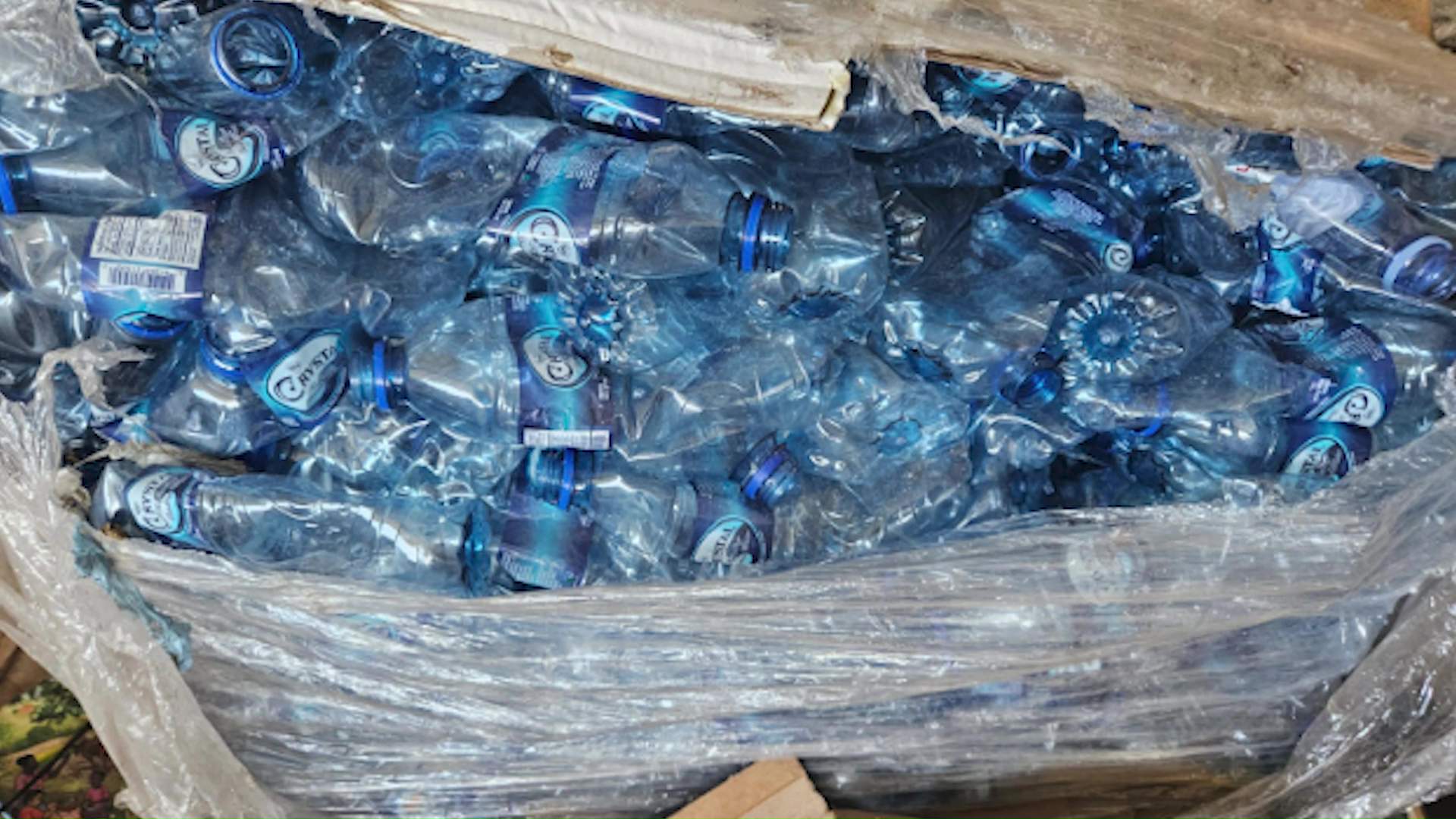
A comprehensive environmental assessment has revealed that plastic waste continues to dominate Belize’s pollution landscape, accounting for sixty-seven percent of all documented debris nationwide. The 2025 Sea of Life TrashBlitz report, analyzing over fourteen thousand waste items, identifies single-use beverage bottles as the primary contaminant, with Bowen and Bowen products appearing most frequently throughout the study.
Despite Belize’s groundbreaking 2022 legislation prohibiting various single-use plastics, straws, cups, and plates, plastic pollution remains an entrenched environmental challenge. The report demonstrates that prohibited materials persistently appear in drains, streets, and waterways, ultimately compromising marine ecosystems.
Bowen and Bowen, the nation’s predominant beverage manufacturer, has implemented a returnable glass packaging system and maintains collection depots nationwide for recycling purposes. Company representatives emphasize that Belize leads the region in soft drinks distributed in returnable glass containers and maintains the highest plastic bottle return rates. The corporation offers consumer incentives for container returns while advocating for proper disposal practices.
At the governmental level, Chief Environmental Officer Anthony Mai explains that permissible plastics must meet biodegradability standards requiring fifty percent organic base material composition and decomposition within 160 days under specific conditions. Conformity assessments conducted in 2023 involving ninety samples from thirty-five companies revealed that most imported and domestically produced plastics failed to meet these standards.
The Department of Environment is contemplating a phased plastic elimination strategy targeting shopping bags and packaging materials. However, Sea of Life Executive Director Paulita Bennett-Martin questions the adequacy of current biodegradability requirements, noting that some biomaterials don’t effectively break down and emphasizing the need for comprehensive standards addressing post-disposal behavior.
Mai acknowledges the complexity of balancing environmental protection with business viability, noting the absence of commercially viable alternatives to plastic water bottles. The department has engaged consultants to evaluate the plastic ban’s effectiveness and identify potential improvements.
Recycling practices present additional concerns, as Bennett-Martin highlights uncertainties regarding plastic melting processes and their potential health impacts. Bowen and Bowen currently exports collected plastic bottles to Guatemala for recycling, underscoring the transnational nature of waste management solutions.