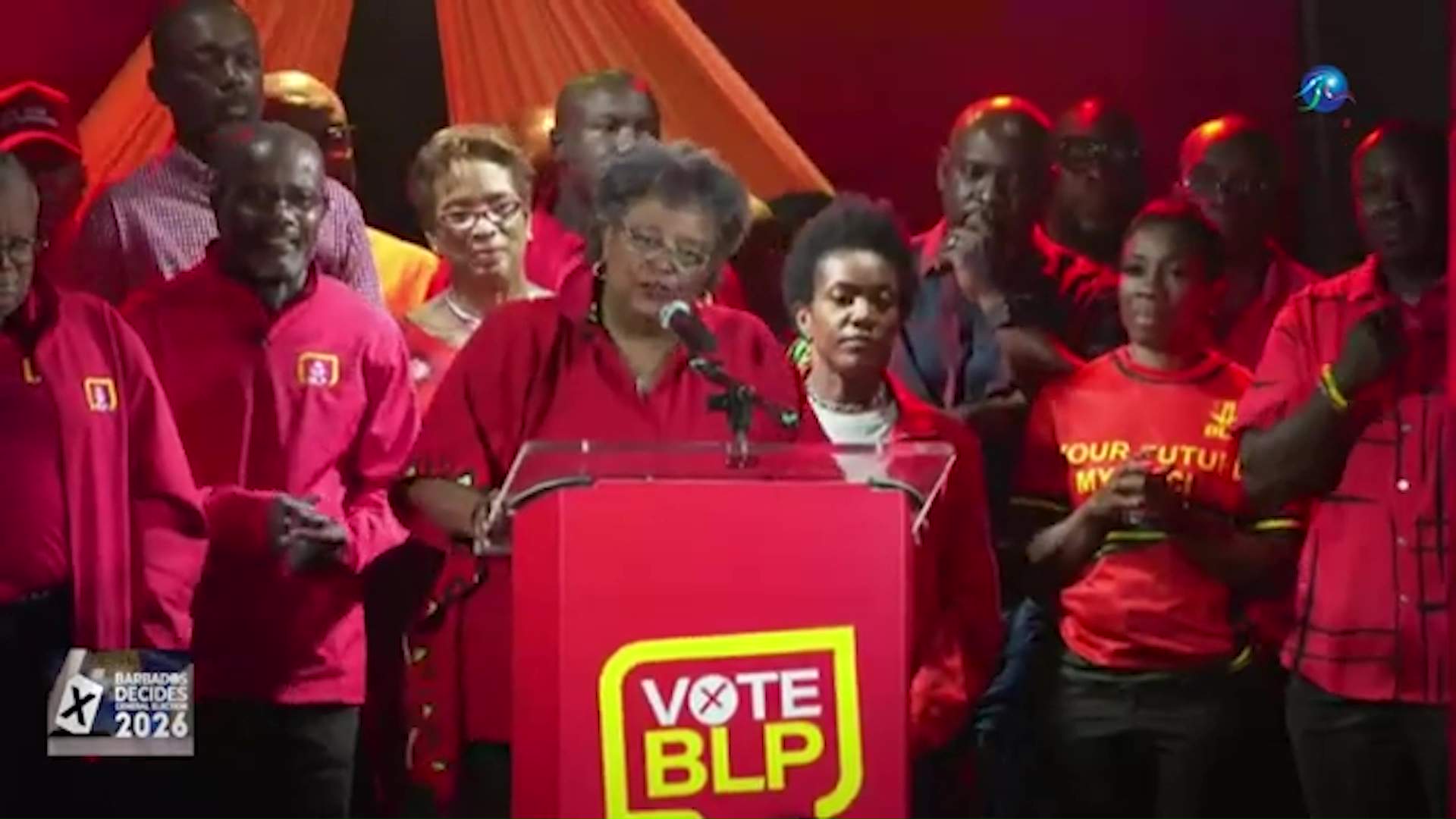
In an unprecedented political achievement, Prime Minister Mia Mottley has secured her third consecutive comprehensive electoral victory in Barbados, with her Barbados Labour Party capturing all thirty parliamentary seats. This remarkable triumph solidifies Mottley’s position as one of the Caribbean’s most dominant political figures and represents a rare feat in global democratic politics.
Despite the overwhelming margin of victory, the election was characterized by notably subdued voter participation across the island nation. Preliminary reports indicate mid-to-low turnout levels persisted throughout polling day, despite extensive civic engagement campaigns urging citizens to exercise their democratic rights. This apparent disconnect between electoral enthusiasm and the scale of the governing party’s success has emerged as a significant subplot to the historic outcome.
In her post-election address, Prime Minister Mottley reflected on her administration’s challenging journey since initially assuming power in 2018. She acknowledged the unforeseen complications presented by the COVID-19 pandemic, which forced a strategic pivot from immediate growth initiatives to survival measures during the global health crisis. Mottley emphasized that only within the past thirty months has her government been able to transition toward its intended transformation agenda.
The Prime Minister articulated her administration’s fundamental philosophy, stating: ‘We did not come simply to hold office. We have come to make Barbados better and to make your lives better.’ She reiterated the party’s longstanding commitment to poverty alleviation, social justice, and creating substantive opportunities for national development. Mottley framed her government’s mission as building strong families, communities, workers, and businesses toward the ultimate goal of forging a resilient nation.
Political analysts are now examining the implications of both the electoral sweep and the participation patterns, questioning how a government achieves such dominance while apparently failing to energize substantial portions of the electorate. This dual reality presents both a powerful mandate and a governance challenge for Mottley’s third term administration.