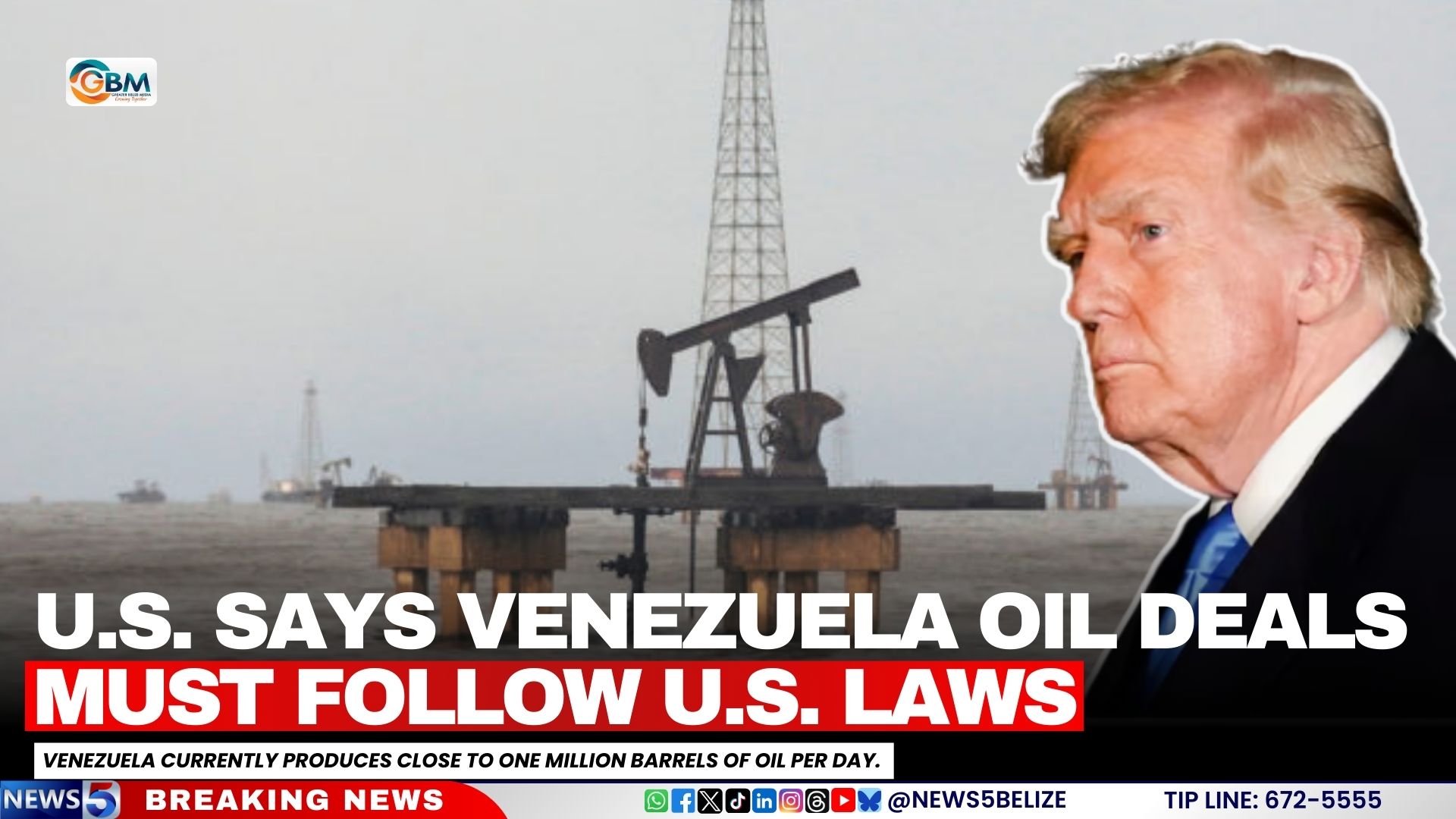
In a significant recalibration of foreign policy, the United States has authorized a new licensing mechanism permitting American corporations to provide goods, technologies, and services for oil and gas exploration and production activities in Venezuela. This strategic pivot, formalized by the U.S. Treasury Department, effectively modifies the long-standing sanctions regime that had severely constrained the South American nation’s energy sector.
The license specifically enables support for Venezuela’s state-controlled petroleum entity, PDVSA, facilitating essential drilling operations, critical infrastructure repairs, and overall production enhancement. This move is designed to address the operational decay within Venezuela’s oil industry, which currently yields approximately one million barrels per day. U.S. analysts project a potential production surge of up to 20% following the implementation of this support.
However, the authorization is bound by stringent legal and financial stipulations. It explicitly prohibits the formation of new joint ventures between international firms and the Venezuelan government. All permitted transactions are strictly confined to the maintenance and rehabilitation of pre-existing operations. Crucially, all contractual agreements must adhere to U.S. legislation, mandate dispute resolution within U.S. judicial courts, and require that any financial settlements involving sanctioned parties be processed through U.S.-administered funds.
This policy adjustment occurs in the wake of broader geopolitical shifts, including the January 3rd apprehension of former President Nicolás Maduro by U.S. forces. The subsequent interim administration under Delcy Rodríguez has already cemented a substantial $2 billion crude oil supply agreement with the United States, signaling a reorientation of bilateral economic relations.