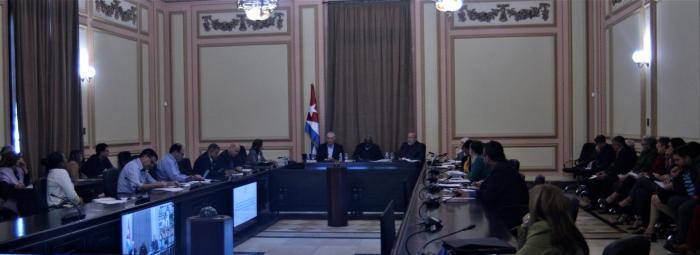
In a significant governmental session held on February 11, Cuban President Miguel Díaz-Canel Bermúdez participated in a Council of State meeting focused on evaluating the nation’s economic reform agenda. The session, presided over by Council President Esteban Lazo Hernández and attended by Prime Minister Manuel Marrero Cruz, centered on thorough assessments of the Government Program designed to address economic distortions and stimulate growth.
The gathering revealed substantial public engagement with the reform process, with officials reporting that approximately 76,172 community meetings had been conducted nationwide, generating an impressive 140,348 citizen proposals. This extensive consultation process demonstrates the government’s commitment to incorporating grassroots input into policy formulation.
Prime Minister Marrero Cruz provided detailed insights into the implementation of parliamentary agreements concerning the Economic Plan and State Budget. Notably, he disclosed the development of Government Directives to combat severe fuel shortages that have challenged the Caribbean nation. The administration’s strategy emphasizes maintaining national vitality without compromising development objectives, while simultaneously minimizing population impact through endogenous resource utilization and foreign exchange diversification.
President Díaz-Canel emphasized the critical importance of strengthening community engagement mechanisms and enhancing popular oversight at neighborhood levels. He advocated for intensified social program implementation and collaborative problem-solving approaches that leverage collective contributions from all societal sectors.
Additionally, the Council evaluated the operational effectiveness of the National Assembly’s permanent working commissions and reviewed performance metrics from the Population Attention services at Auxiliary Offices, indicating a comprehensive governance review extending beyond economic matters.