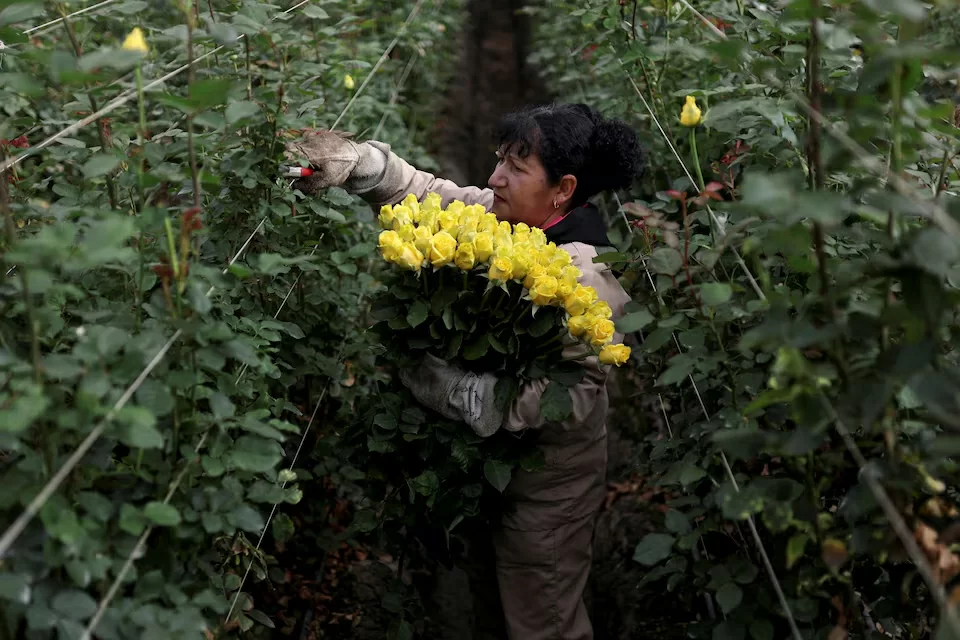
Colombia’s floral sector, ranking as the world’s second-largest flower exporter, successfully delivered millions of roses to the United States just in time for Valentine’s Day celebrations. However, beneath this seasonal success story lies an industry grappling with mounting economic pressures that threaten its long-term viability.
Between January 15 and February 9, Colombia shipped approximately 65,000 tons of fresh flowers to the U.S. market. This Valentine’s Day period typically represents about 20% of annual sales for a sector that serves as the primary supplier to American consumers, according to industry association Asocolflores.
The festive demand coincides with significant challenges, including a 10% U.S. import tariff imposed in April last year as part of broader trade measures by the Trump administration. This is particularly impactful given that the United States accounts for approximately 80% of Colombia’s flower exports.
Additional pressures include a peso that has strengthened nearly 12% against the dollar over the past year and a 23% minimum wage increase, both of which reduce competitiveness and squeeze profit margins. José Antonio Restrepo, manager of Ayure SAS Eclipse Flowers near Bogotá, warns that without changes to these economic conditions, the sector could face massive layoffs and closures starting in July.
Flower cultivation represents Colombia’s most labor-intensive agricultural sector, providing formal employment for about 240,000 people across 10,500 hectares of land. This year, the fact that Valentine’s Day falls on a Saturday presents additional challenges, as consumers traditionally send flowers primarily to offices during weekdays.
The pressure extends beyond Colombia. Ecuador, the world’s largest flower exporter, faces similar issues with rising production costs and trade barriers. Kenya, a major supplier of cut flowers to the European market, likewise struggles with increasing costs and stricter import regulations. These developments create global pressure on the floral trade industry, which remains closely tied to seasonal holidays and consumer trends.
Despite these challenges, the atmosphere at nurseries like Ayure SAS Eclipse Flowers remains positive. Workers such as Susana Vega find satisfaction in contributing to bringing joy to people, particularly women and mothers, during this important holiday.