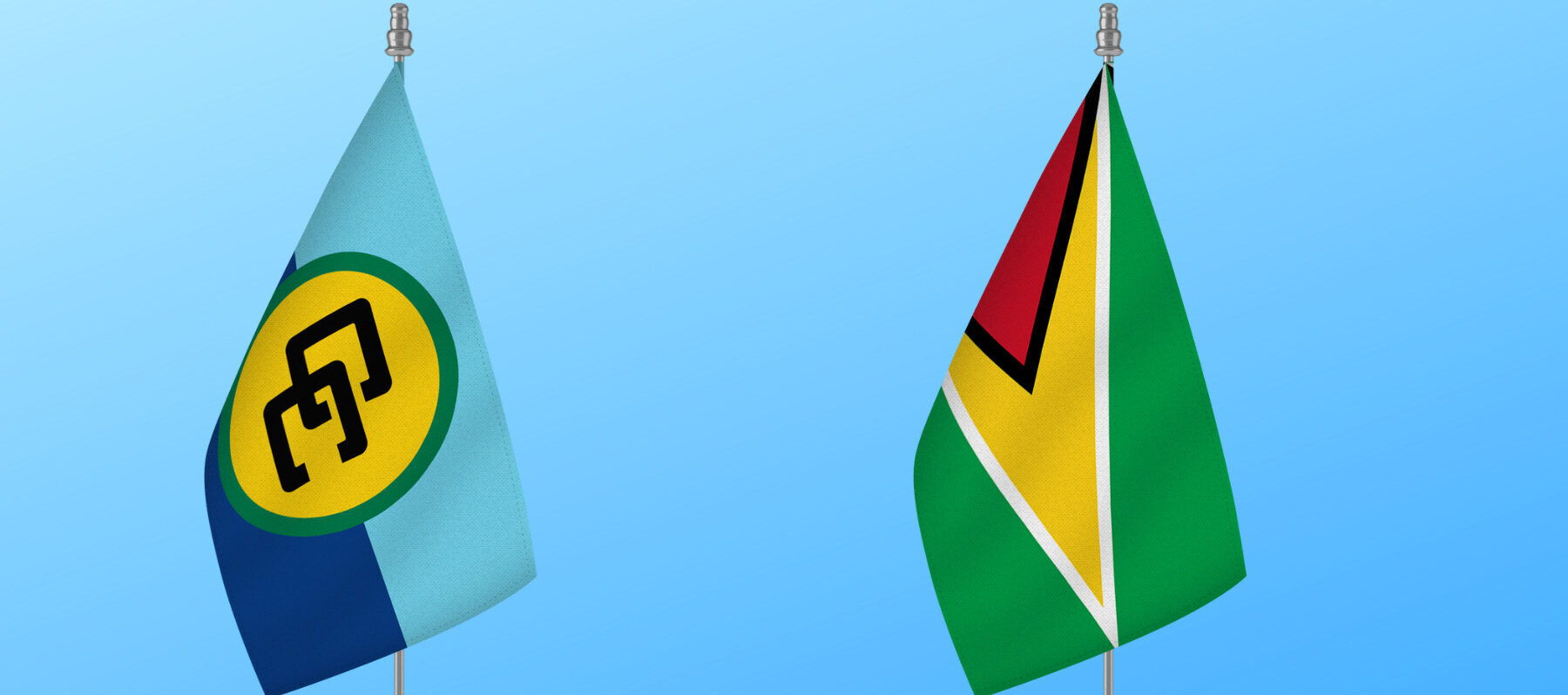
The Caribbean Community (CARICOM), comprising 15 member states across insular Caribbean territories and mainland regions of Central and South America, faces complex geopolitical challenges stemming from its numerous territorial boundaries. The region contends with 10 land borders and 37 maritime boundaries, many of which remain disputed—including tensions between Guyana and Venezuela, Belize and Guatemala, and Trinidad and Tobago and Barbados.
Geopolitically, CARICOM exists in the shadow of global powers, positioned proximate to the United States to the north, Brazil to the south, and Cuba in the central Caribbean. Member states grapple with post-colonial legacies, environmental vulnerabilities, resource distribution inequalities, and persistent border complications that challenge regional cohesion.
Guyana emerges as a critical actor in this landscape, serving as the only English-speaking nation in South America and functioning as a strategic bridge between Caribbean and South American integration initiatives. Since Exxon Mobil’s landmark oil discovery in 2015, Guyana has experienced transformative economic growth, positioning itself as a potential future BRICS member candidate due to its growing regional influence and commitment to multilateralism.
The nation’s agricultural capacity—producing staples of the West Indian diet including rice, sweet potatoes, and various fruits and vegetables—offers significant opportunities for enhancing regional food security. Additionally, its cross-border connectivity with Brazil through the Lethem-Bon Fim corridor provides CARICOM members access to broader South American markets.
Despite operating in an increasingly volatile global environment where power dynamics often override multilateral cooperation, Guyana represents Caribbean resilience and potential. As noted by Dr. Kai-Ann Skeete, Trade Policy Research Fellow at the Shridath Ramphal Centre, the country exemplifies how Caribbean nations can maintain cultural identity while pursuing deeper regional integration and economic transformation, even amid the uncertainties inherent in geopolitical change.