The Caribbean marine conservation landscape has witnessed a significant transformation as Elkhorn Marine Conservation (EMC) officially rebrands itself as AnuBlue, signaling a strategic expansion of its environmental mission. This nomenclature evolution embodies both geographical significance and aspirational purpose—’Anu’ pays homage to Antiguan heritage while ‘Blue’ represents the marine ecosystems central to their work. The phonetic interpretation as ‘a new blue’ poetically captures the organization’s revitalization vision for Antigua and Barbuda’s seas.
Since its 2021 inception with a single coral nursery near Green Island, the organization has matured into a comprehensive ocean restoration initiative. The newly christened AnuBlue now operates through three synergistic pillars: restoration, research, and community engagement, creating a holistic approach to marine conservation.
The restoration program demonstrates scientific sophistication by propagating 13 endangered coral species across four nurseries strategically located at Jumby Bay, Cades Reef, and dual sites around Green Island. The organization selectively cultivates coral fragments from parent colonies exhibiting proven heat and disease resistance. These fragments undergo careful cultivation before being transplanted to degraded reef systems. The strategic placement of genetically diverse corals in proximate locations encourages natural gamete exchange during spawning events, fostering genetic diversity that enhances climate resilience and disease resistance.
AnuBlue’s scientific methodology incorporates cutting-edge research specifically designed for Antigua and Barbuda’s unique marine conditions. The organization conducts rigorous water quality monitoring, investigates the ecological impact of sponges and herbivorous species like crabs and sea urchins on reef restoration, and implements advanced tracking systems including whale acoustic monitoring and shark tagging. Their research contributions have gained international recognition through recent publication in peer-reviewed scientific journals.
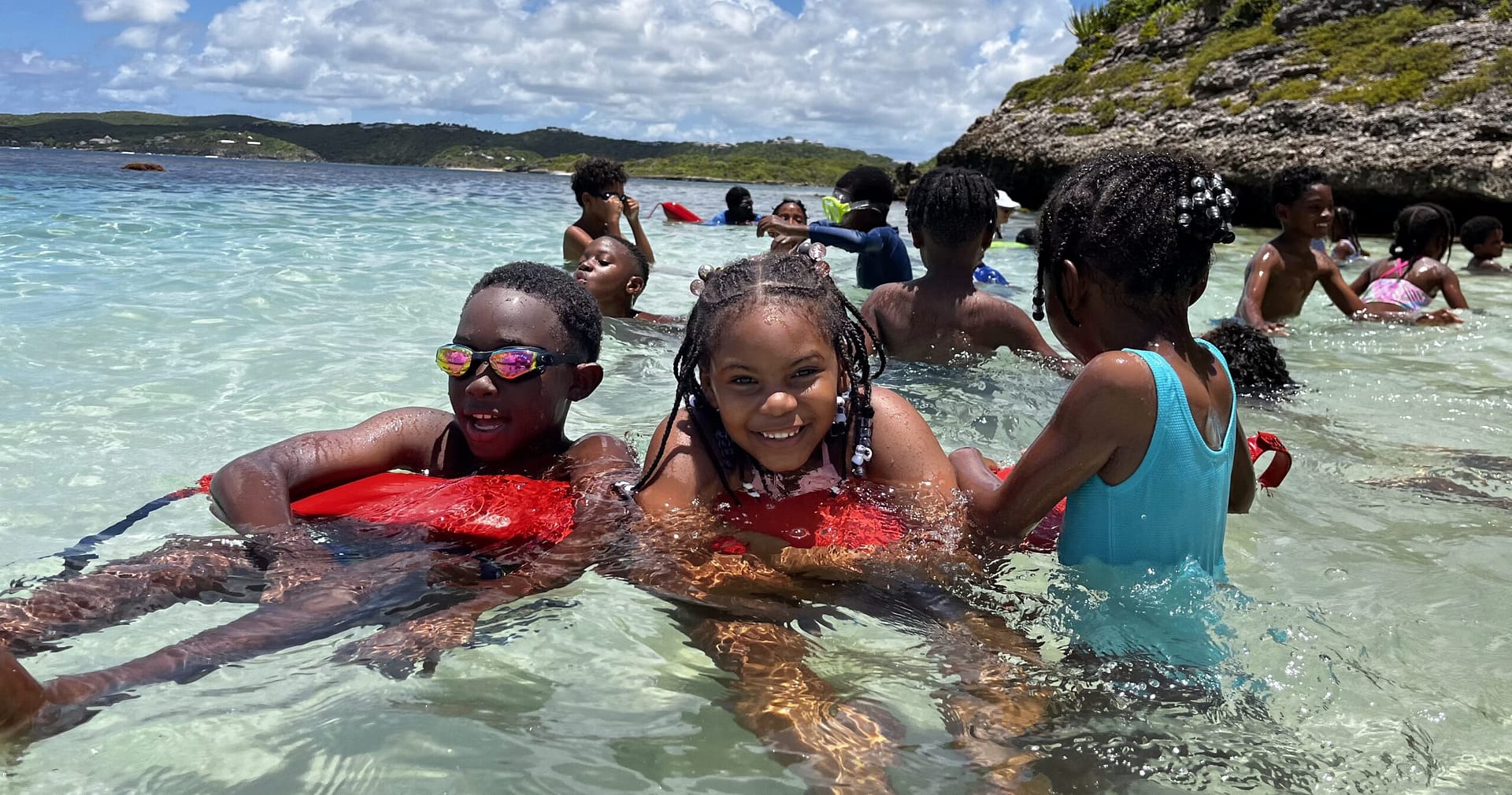
Community integration forms the third crucial component of AnuBlue’s mission. The organization maintains strong local partnerships, employing fisherfolk and scuba divers to ensure nursery sustainability. Recognizing the complex cultural relationship between island residents and the ocean, AnuBlue implements educational initiatives including swimming lessons, summer camps, and coastal awareness programs designed to build marine confidence and foster environmental stewardship.
Christal Clashing, Director of Advancement and Community Engagement, emphasized: ‘Our new identity reflects both our evolution and ambition. AnuBlue represents our conviction that meaningful restoration requires integrating education, research, and community collaboration to achieve lasting impact.’ This rebranding signifies a deepened commitment to not only rejuvenating coral ecosystems but also strengthening the human-ocean connection, ensuring the long-term vitality of Antigua and Barbuda’s marine heritage for future generations.