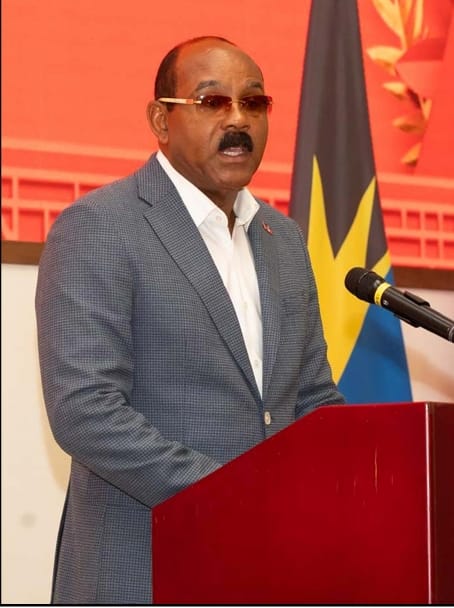
In a significant diplomatic address during Chinese New Year celebrations, Prime Minister Gaston Browne of Antigua and Barbuda presented China’s foreign policy approach as an exemplary model for international engagement. The Caribbean leader articulated a compelling vision for how global powers should interact with smaller nations, drawing from his country’s bilateral experience with Beijing.
Prime Minister Browne emphasized that China has demonstrated exceptional respect in its dealings with Antigua and Barbuda, notably refraining from imposing any sanctions or visa restrictions—a approach he characterized as markedly different from traditional power dynamics in international relations. This mutually beneficial relationship, according to Browne, showcases how larger nations can engage with smaller states without resorting to coercive measures or conditional diplomacy.
The Prime Minister’s remarks come amid growing global instability and shifting geopolitical alliances. Browne explicitly called upon other nations to emulate China’s methodology in international relations, suggesting that this approach fosters more sustainable and equitable partnerships. He particularly highlighted the absence of punitive measures in the China-Antigua relationship as evidence of genuine mutual respect.
Reaffirming his administration’s foreign policy doctrine of being ‘friends to all, enemies to none,’ Browne simultaneously underscored the strategic importance of maintaining and deepening cooperation with China. This balanced approach reflects the dual priorities of diversifying international partnerships while recognizing the substantial benefits derived from specific bilateral relationships.
The address signals a continuing trend among Caribbean nations seeking alternative partnership models that prioritize development assistance without political conditionalities. Prime Minister Browne’s endorsement of China’s diplomatic methodology adds to the growing discourse on South-South cooperation and the evolving architecture of international relations in the 21st century.