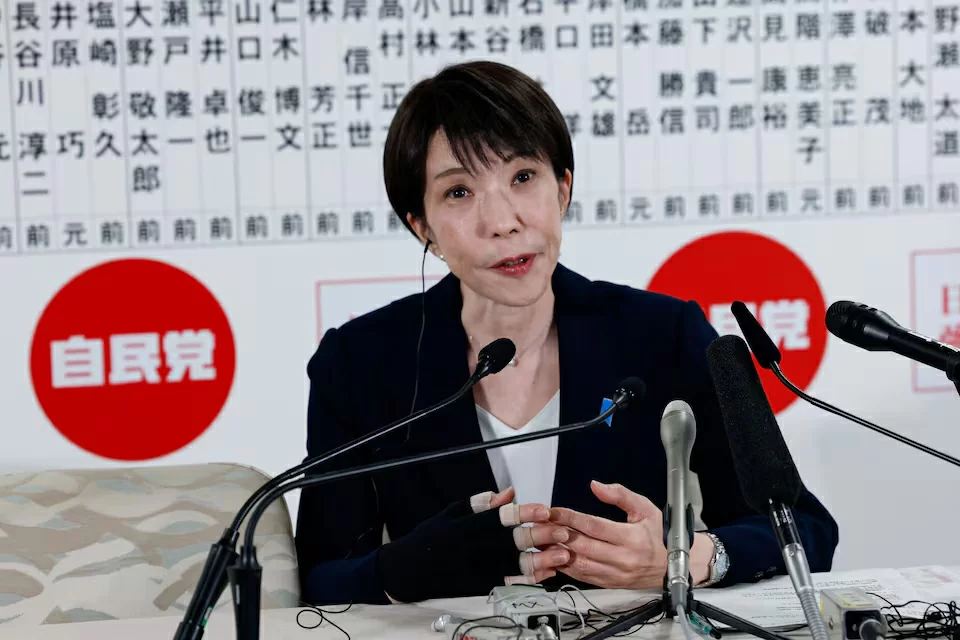
TOKYO – Japanese Prime Minister Sanae Takaichi has led her ruling coalition to a landmark electoral triumph, securing an unprecedented mandate for her controversial economic and security agenda. The conservative leader’s Liberal Democratic Party (LDP) captured a commanding 328 seats in the 465-member Lower House according to projections, marking one of the party’s strongest electoral performances in history.
The victory grants Takaichi’s coalition, which includes the Japan Innovation Party (Ishin), a supermajority exceeding two-thirds of parliamentary seats. This overwhelming mandate enables the government to bypass opposition-controlled Upper House resistance and implement sweeping policy changes, including tax reductions that have unsettled financial markets and increased military spending aimed at countering China’s regional influence.
Addressing supporters in a televised address, the 64-year-old leader acknowledged the significance of her mandate: “This election has brought major policy shifts – particularly in economic and fiscal areas, plus strengthened security policies. These are measures that faced considerable opposition… Having gained public trust, we must address these issues with full determination.”
Takaichi called the rare winter election to capitalize on her soaring popularity since assuming leadership of the LDP late last year. Voters have responded positively to her straightforward style and work ethic, though her nationalist leanings and security focus have strained relations with neighboring China. The election occurred during unprecedented snowfall that disrupted transportation nationwide, yet citizens braved harsh conditions to participate in the democratic process.
Financial markets remain concerned about the Prime Minister’s pledge to suspend the 8% consumption tax on food for two years to alleviate rising living costs. Investors question how Japan, which carries the highest public debt among developed economies, will finance these measures while maintaining fiscal sustainability.
International reactions have been mixed. Former US President Donald Trump offered his “full support” and announced plans to host Takaichi at the White House next month. Meanwhile, Chinese officials are carefully analyzing the election outcome, having previously imposed travel restrictions on Japanese citizens following Takaichi’s comments about potential responses to Chinese aggression toward Taiwan.
Taiwanese President Lai Ching-te was among the first world leaders to congratulate Takaichi, expressing hope that her victory would bring “a more prosperous and secure future for Japan and its regional partners.”
The strengthened mandate is expected to accelerate Japan’s military modernization plans, which Beijing views as attempts to revive Japan’s militarist past. Defense Minister Shinjiro Koizumi stated intentions to proceed with defense strengthening measures while maintaining dialogue with China.
Geopolitical analysts suggest China now faces the reality that Takaichi commands solid political authority and that efforts to isolate her internationally have ultimately failed.