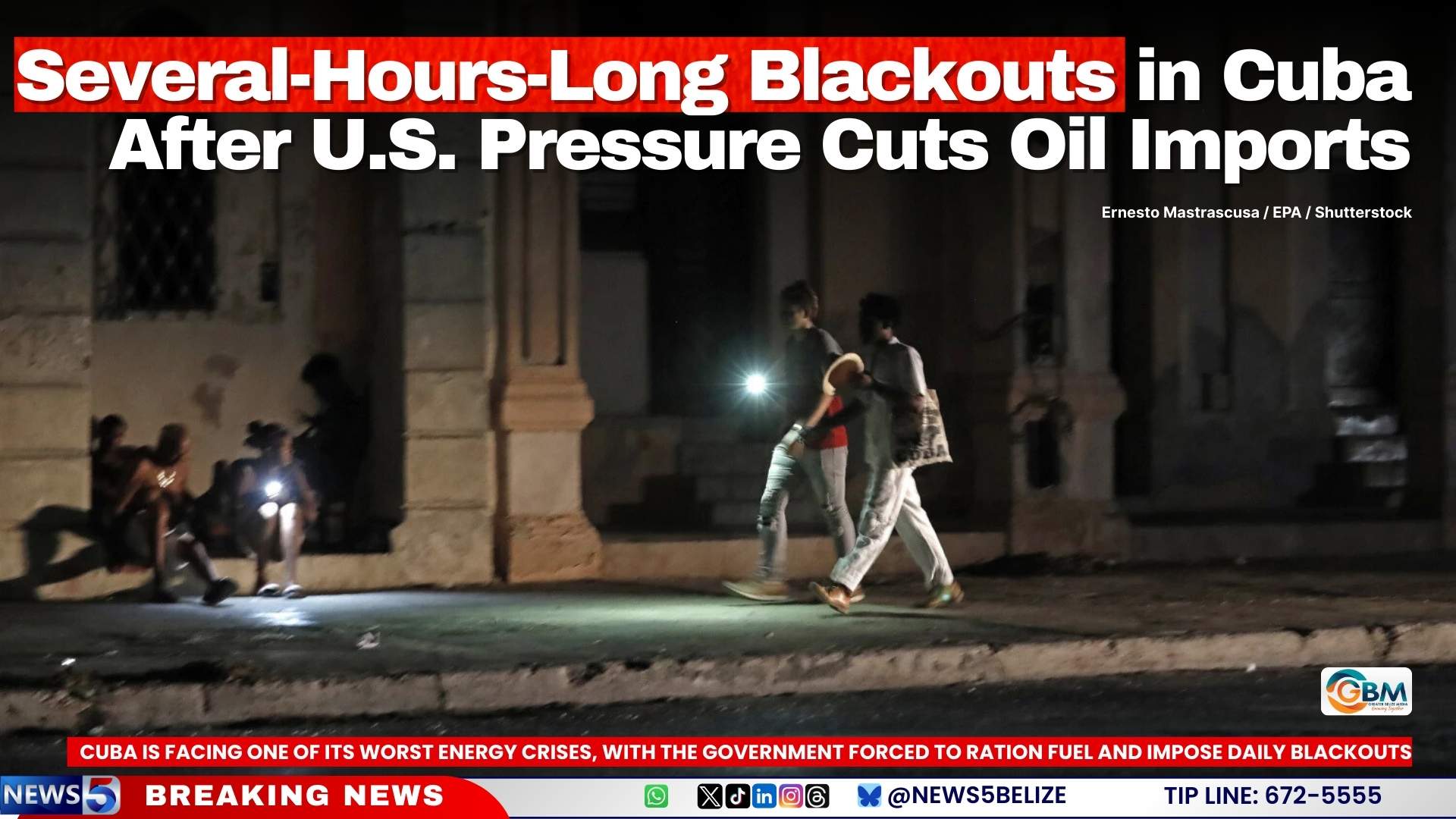
Cuba is confronting its most severe energy crisis in recent history, implementing nationwide austerity measures as U.S. diplomatic pressure has severely constricted the island’s oil imports. The government of President Miguel Díaz-Canel has enacted emergency protocols including reduced workweeks for state employees, curtailed interprovincial transportation, diminished tourist services, and shortened academic schedules to conserve dwindling fuel reserves.
The energy shortage has resulted in systematic daily blackouts lasting several hours, compelling citizens to revert to traditional cooking methods using wood and coal while businesses face operational paralysis. Deputy Prime Minister Oscar Pérez-Oliva Fraga addressed the nation via state television, emphasizing these ‘necessary measures to preserve the country’s essential functions and basic services while managing limited fuel resources.’
This crisis stems from disrupted oil shipments following last month’s abduction of Venezuelan President Nicolás Maduro by U.S. forces, which halted Cuba’s primary supply from Caracas. Compounding the situation, President Donald Trump signed an executive order penalizing nations that export oil to Cuba, effectively strangling alternative supply routes. Mexico, previously supplying nearly half of Cuba’s oil imports, has significantly reduced deliveries under U.S. pressure.
Shipping analytics firm Kpler reported that Cuba’s fuel reserves had dwindled to merely 15-20 days’ supply by January’s end. The Trump administration has characterized Cuba as a ‘failed nation’ and intensified sanctions aimed at precipitating governmental change. In contrast, Cuba’s Foreign Ministry has advocated for diplomatic dialogue and ‘peaceful coexistence’ with the United States.