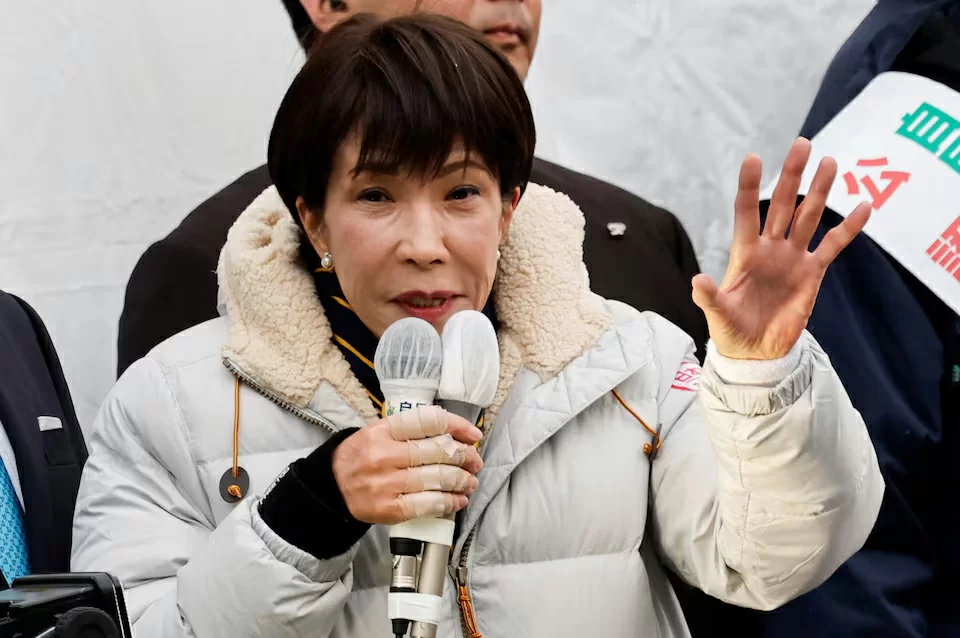
Japanese voters are heading to the polls today in a snap winter election that could deliver a resounding victory for Prime Minister Sanae Takaichi, the nation’s first female leader, despite unprecedented snowfall threatening voter turnout across multiple regions.
Current polling projections indicate Takaichi’s conservative coalition may secure over 300 of the 465 seats in the Lower House, significantly expanding from their current 233-seat holding. Should her Liberal Democratic Party (LDP) alliance with the Japan Innovation Party (Ishin) achieve 310 seats, they would gain the supermajority needed to override the opposition-controlled Upper House.
The February election—only the third winter poll since World War II—represents a critical mandate-seeking opportunity for Takaichi, who assumed leadership in October. Her direct governing style and reputation as a diligent worker have resonated particularly with younger demographics, though historical turnout patterns show older voters traditionally form the LDP’s core support base.
Takaichi’s policy platform has emphasized accelerated military spending to counter China’s influence—a stance that has heightened diplomatic tensions—alongside economic stimulus measures and tax reductions that have created volatility in financial markets. Her campaign pledge to suspend the 8% consumption tax on food for two years aims to alleviate household financial pressures exacerbated by the weak yen.
Political analyst Seiji Inada of FGS Global notes that a substantial victory would provide Takaichi with enhanced political capital to implement her agenda, including comprehensive tax reforms.
Complicating election dynamics, Thursday’s endorsement from former U.S. President Donald Trump may bolster Takaichi’s conservative base while potentially alienating moderate voters. Meanwhile, forecasted snowfall reaching 70 centimeters in northern and eastern regions has prompted campaign officials in affected areas like Nagaoka to encourage early voting.
Voter participation, which historically ranges between 50-55%, could be further depressed by weather conditions, potentially amplifying the influence of organized voting blocs. Notably, the Buddhist-aligned Komeito party—previously in coalition with LDP but now aligned with center-left opposition forces—maintains strong connections with the 8-million-member Soka Gakkai organization.
The electoral process encompasses 289 single-seat districts with remaining seats allocated through proportional representation. Polling stations will close at 8:00 PM local time, with media outlets expected to release immediate exit poll results.