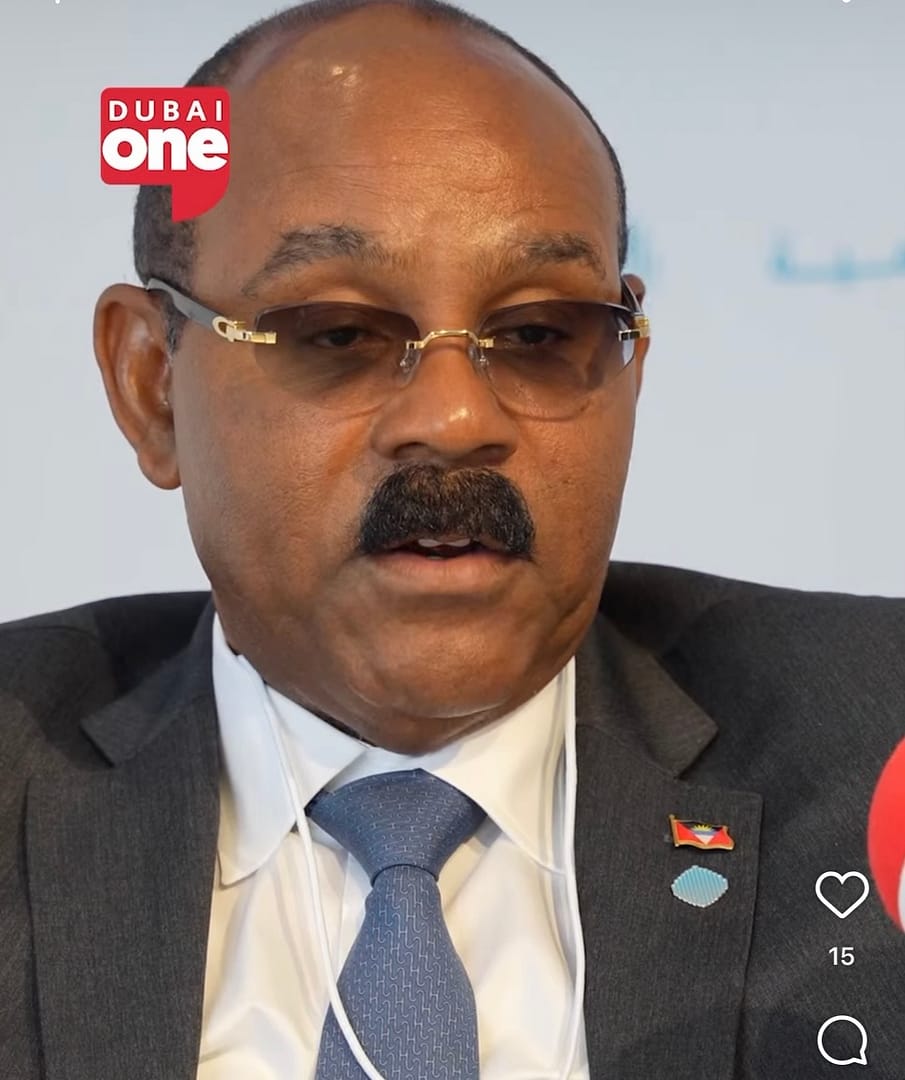
In a strategic address at the World Government Summit in Dubai, Prime Minister Gaston Browne of Antigua and Barbuda articulated a groundbreaking national policy framework that inextricably links national security with tourism competitiveness. The Prime Minister asserted that crime reduction constitutes a fundamental pillar of the nation’s tourism development strategy, establishing public safety as an absolute prerequisite for cultivating and sustaining high-value tourism markets.
Browne elaborated that destinations aspiring to compete within the global luxury tourism sector must guarantee a comprehensively secure environment for both international visitors and local residents. “These efforts are being supported by strident investments in containing crime and violence, thereby providing a safe and secured environment for our guests and locals alike,” he stated during his summit presentation.
The Prime Minister’s discourse reframed conventional approaches to law enforcement by integrating crime containment directly into tourism policy and broader national development objectives. He contended that a premium tourism product cannot flourish in climates characterized by social disorder, public fear, or political instability. According to this paradigm, public safety serves as the critical foundation underpinning visitor confidence, investment decisions, and the overall credibility of a destination brand.
Browne further detailed that the government’s comprehensive tourism reform initiative encompasses parallel investments in urban development, environmental management, and public order enhancement. This holistic approach ensures that Antigua and Barbuda’s tourism offerings align with evolving global expectations, particularly as modern travelers increasingly prioritize destinations that deliver not only luxury and authenticity but also demonstrable safety and stability.
“Tourism is a national development strategy,” Browne emphasized, noting that the visitor experience is equally shaped by safety and social order as by physical amenities such as hotels, beaches, and attractions. The administration remains committed to fostering an environment where both residents and visitors can live, work, and travel without restrictions, thereby reinforcing the nation’s positioning as a competitive, high-value tourism destination on the world stage.