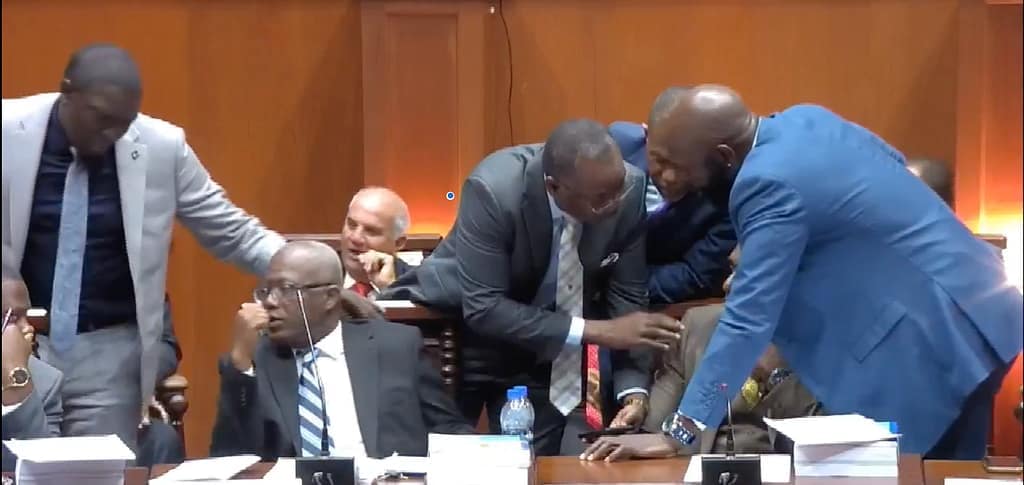
In a rigorous examination of contemporary political dynamics, a compelling critique emerges regarding the fundamental role and performance of opposition parties within democratic systems. The analysis identifies a pervasive pattern where opposition groups prioritize theatrical complaints over substantive policy alternatives, revealing a critical failure in their core democratic function of providing credible governance options.
The central thesis maintains that genuine political opposition requires far more than identifying governmental shortcomings. It demands comprehensive policy frameworks, detailed funding mechanisms, and sustainable implementation strategies—elements conspicuously absent from most contemporary opposition rhetoric. Rather than engaging in the intellectually rigorous work of solution-building, many opposition parties default to emotional reactions and superficial criticism without corresponding actionable plans.
This deficiency becomes particularly evident when examining concrete governance challenges. On infrastructure matters such as road maintenance and water management, opposition voices typically identify obvious problems but fail to present specific repair schedules, funding models, or maintenance strategies. Similarly, on complex economic issues including debt management and revenue stabilization, critics offer condemnation without substantive alternatives regarding taxation policies, expenditure priorities, or diversification approaches.
The analysis further highlights the concerning tendency of some opposition elements to undermine national interests through excessive partisanship. By consistently framing international engagements as embarrassments and diplomatic achievements as suspicious, these groups potentially damage the country’s standing among global partners who assess political stability and institutional credibility.
Crucially, the examination questions the opposition’s readiness to assume governance responsibilities. It scrutinizes whether prominent figures possess the technical expertise required for critical portfolios such as Finance, where complex responsibilities include fiscal policy management, debt negotiation, and economic steering through uncertainty. The assessment concludes that passion and visibility cannot substitute for the depth of knowledge and disciplined thinking essential for actual governance.
The fundamental argument posits that true political leadership is demonstrated not through vocal criticism but through substantive policy development and strategic foresight. Until opposition parties transition from reactive complaining to proactive solution-building, they risk remaining merely entertaining distractions rather than credible alternatives for national development.