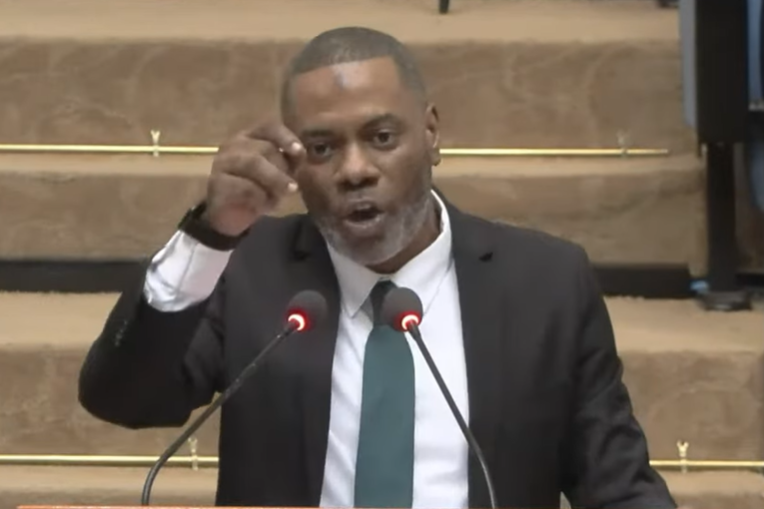
In a significant parliamentary address, Opposition APNU legislator Sharma Solomon has called for a radical restructuring of revenue distribution from Guyana’s extractive industries. The former Mayor of Linden advocated for mining districts to receive direct financial benefits from sector earnings to drive local human development initiatives.
Speaking during debates on the national GY$1.558 trillion budget, Solomon emphasized the urgent need for a new social contract between mining regions and the central government. His proposal specifically targets Regions 1 (Barima-Waini), 7 (Cuyuni-Mazaruni), 8 (Potaro-Siparuni), 9 (Upper Takatu-Upper Essequibo) and 10 (Upper Demerara-Upper Berbice) – areas rich in mineral resources but historically characterized by inadequate reinvestment and limited autonomy.
The parliamentarian pointed to successful Indigenous Amerindian communities already benefiting directly from gold mining revenues as evidence that such models can work effectively. He further cited international precedents from Canada and Australia where mining districts receive direct financial benefits from extraction activities.
Solomon’s comprehensive framework includes legal recognition of community engagement tied to mining permits, establishment of local employment quotas, specialized training programs, procurement targets, and dedicated community funds. “We must ensure that mining wealth returns to these communities in tangible, transformative ways,” he asserted, highlighting the principle of reciprocity between resource extraction and local investment.