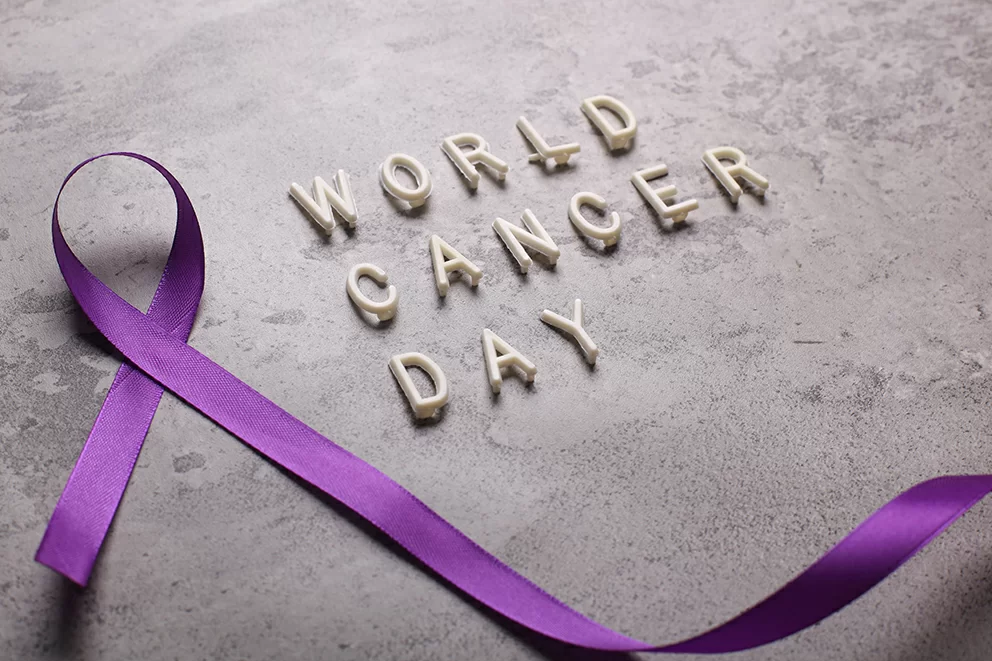
Suriname faces a severe healthcare challenge as cancer ranks as the nation’s second leading cause of death, with distinct patterns emerging across genders. Women predominantly suffer from breast, cervical, and colorectal cancers, while men most frequently develop prostate, lung, colorectal, and head-neck cancers. This alarming situation comes into sharp focus on World Cancer Day, observed globally on February 4th, which emphasizes cancer’s profound impact and the critical importance of prevention, early detection, timely treatment, and comprehensive care.
The World Health Organization reveals that approximately 40% of all cancer cases are preventable through avoiding key risk factors including tobacco use, excessive alcohol consumption, unhealthy diets, physical inactivity, and exposure to air pollution. Vaccination against Hepatitis B and Human Papillomavirus (HPV) plays a pivotal role in preventing liver and cervical cancers respectively. Regular screening significantly enhances early detection and successful treatment outcomes for cervical, breast, and colorectal cancers.
Across the Americas, cervical cancer diagnoses exceed 78,000 annually among women, resulting in over 40,000 deaths. The situation is particularly dire in Latin America and the Caribbean—where Suriname is located—where mortality rates triple those in North America, highlighting substantial disparities in prevention and care access.
The Pan American Health Organization has issued an urgent call to accelerate efforts toward eliminating cervical cancer by 2030. This ambitious goal requires achieving three targets: 90% HPV vaccination coverage for girls under 15, 70% screening coverage with high-quality tests for women at ages 35 and 45, and 90% treatment access for women with pre-cancerous or invasive cancer. While 24 countries have implemented single-dose vaccination schedules and regional first-dose coverage reaches 70%, screening and treatment programs lag significantly behind.
PAHO is supporting member states through technical assistance and leveraging regional funds to ensure affordable vaccines, screening equipment, and treatment tools. Collaborations with partners including Unitaid and Spain’s AECID strengthen this comprehensive approach to make quality care accessible through primary healthcare systems.
Meanwhile, Suriname’s Ministry of Health emphasizes the crucial role of mental and emotional support for cancer patients and their families, recognizing that psychological care is indispensable within overall cancer management.
Marking World Cancer Day 2026, WHO/PAHO is hosting the webinar ‘Supporting the Elimination of Cervical Cancer’ to accelerate action on vaccination, screening, and care access to eliminate cervical cancer as a public health problem.