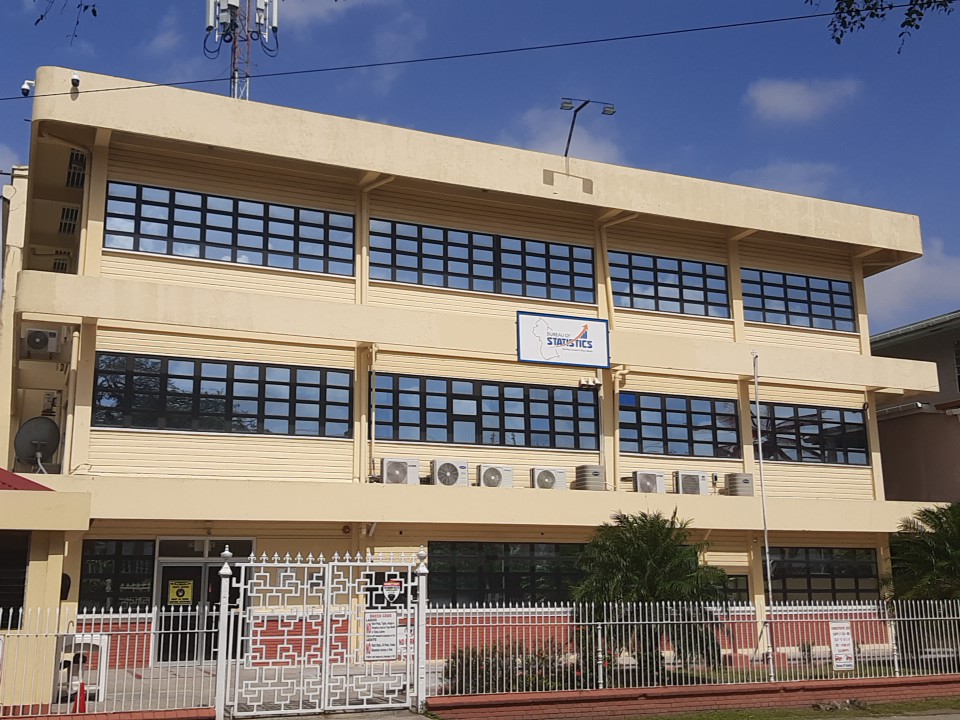
In a landmark economic announcement, Guyanese President Dr. Mohamed Irfaan Ali revealed a dramatic halving of the nation’s unemployment rate since 2020, crediting strategic economic diversification for creating over 104,000 new jobs. Official data from the Bureau of Statistics shows unemployment plummeting from 12.8% in 2020 to just 6.8% by the end of 2024, signaling one of the most remarkable economic turnarounds in the Caribbean region.
The President, addressing the nation via social media, emphasized that this transformative job growth extends beyond urban centers, with employment opportunities now “evenly distributed between rural and urban areas.” This balanced regional development reflects infrastructure investments and policies supporting multiple sectors including agriculture, tourism, manufacturing, and agro-processing.
Women have particularly benefited from the economic expansion, with female unemployment dropping significantly from 14.4% to below 9% during the same four-year period. The employment surge has lifted total workforce numbers from approximately 264,000 to nearly 370,000 persons.
Beyond job creation, the economic transformation has generated substantial wage growth across nearly all sectors. Average earnings increased between 50% to over 100% from 2020 to 2024, with particularly strong performance in professional, scientific and technical services (over 100% increase), arts and entertainment (over 114%), and agriculture, forestry and fishing (84% increase).
President Ali specifically noted that these wage increases have not triggered inflationary pressures, with Guyana maintaining “one of the lowest inflation rates” due to sound economic policies. The President challenged the narrative that this growth stems primarily from oil and gas, instead highlighting how economic diversification has created widespread prosperity.
International assessments now indicate Guyana faces an unexpected challenge: labor shortages rather than unemployment. Studies by the Centre for Local Business Development and International Organisation for Migration project workforce shortfalls between 52,000 to 100,000 workers to fully realize the country’s growth agenda. Future job growth is anticipated in construction, hospitality, specialized services, agriculture, health services, and green technology sectors.