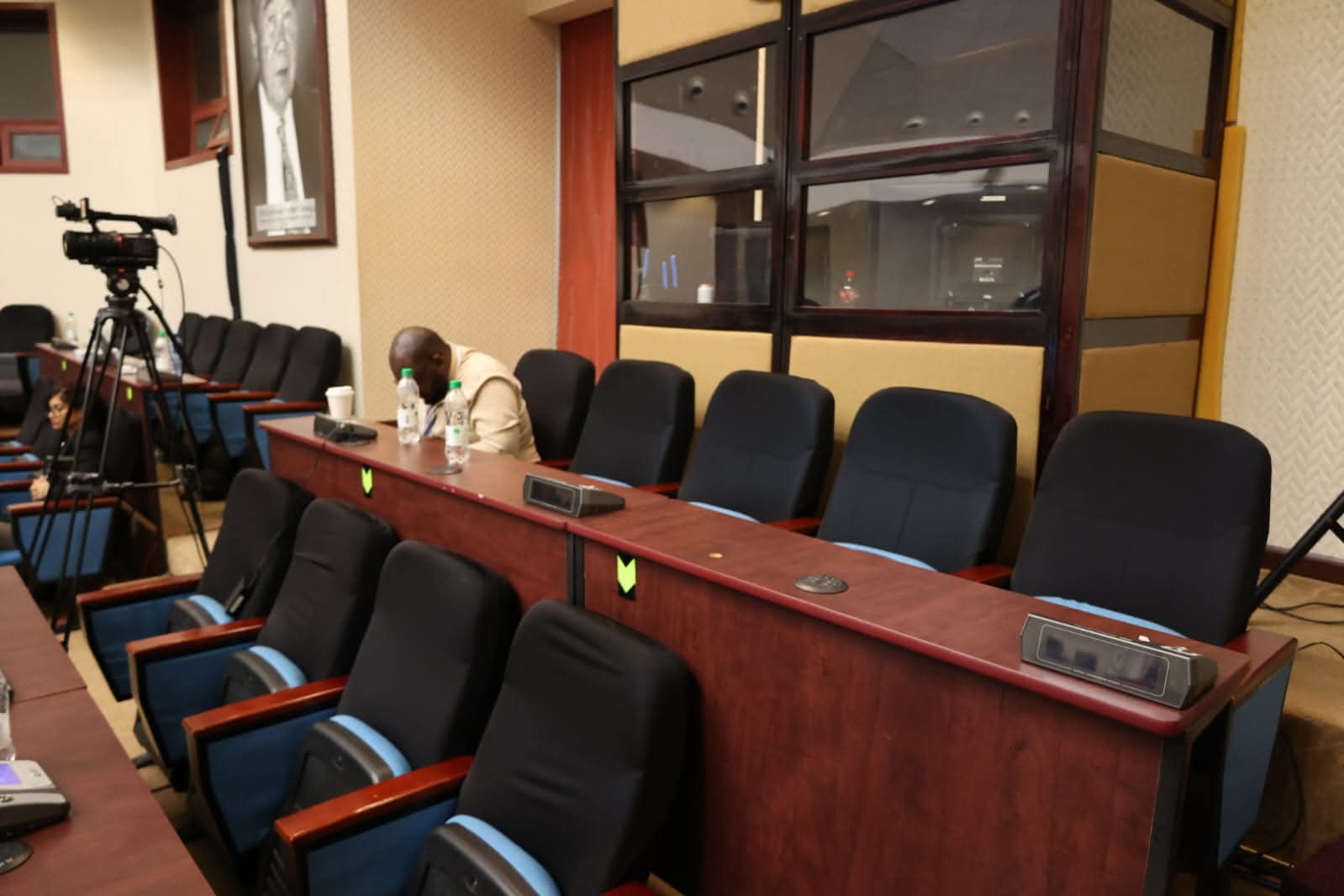
A contentious dispute over media access has erupted in Guyana’s National Assembly, with House Speaker Manzoor Nadir facing mounting criticism for implementing severe restrictions on journalistic coverage of parliamentary proceedings. The controversial measures, introduced at the start of Monday’s budget debates, have drawn forceful opposition from across Guyana’s media landscape.
The new regulations permit only five reporters within the parliamentary chamber at any given time—a dramatic reduction from the previous allowance of up to 17 journalists. Additionally, television news cameras from private media organizations have been completely banned from the Dome, with media houses instructed to rely exclusively on official feeds from the Department of Public Information (DPI).
Media professionals have universally condemned these restrictions as fundamentally anti-democratic. Fareeza Haniff, a prominent media practitioner, highlighted the practical deficiencies of the arrangement, noting that the official live feed suffers from persistent technical glitches and poor quality. She further accused the Parliament Office of disseminating misleading information through a late-night Facebook post that showed empty media seats after journalists had departed to file their stories.
The controversy deepened as journalists revealed that the Parliament Office attempted to justify the restrictions by referencing a COVID-19 era agreement from 2020 as if it were current policy. This characterization was widely dismissed as disingenuous by media representatives.
Former Guyana Press Association (GPA) President Nazima Raghubir questioned whether Parliament had reached the point of intentionally misleading the public, while journalist Vishani Ragobeer directly contradicted the official narrative, stating, “Those seats were filled by my colleagues and me yesterday. I sat there with colleagues from other private media outlets, and there was a rotation of reporters covering different speakers.”
Kurt Campbell, another newsroom journalist, described the measures as “profoundly regressive and democratically corrosive,” arguing that they veer “dangerously into authoritarian instinct.” He emphasized the unreliability of the DPI’s coverage, noting its failure to provide basic recordings of significant parliamentary events, including the national budget presentation delivered over a week earlier.
The Guyana Press Association issued an official statement expressing “deep concern” over the restrictions and condemning the Speaker’s edict as “a direct attack on freedom of the press.” The association called for an urgent review of the measures and the restoration of full press access in keeping with democratic norms and principles of open governance.
Veteran journalist Denis Chabrol challenged the rationale behind the restrictions, noting that journalists have historically covered parliamentary sessions according to newsworthiness without ever being obstructive. He argued that sufficient space exists to accommodate multiple privately-owned television cameras and that no logical justification exists for limiting media access to the National Assembly.