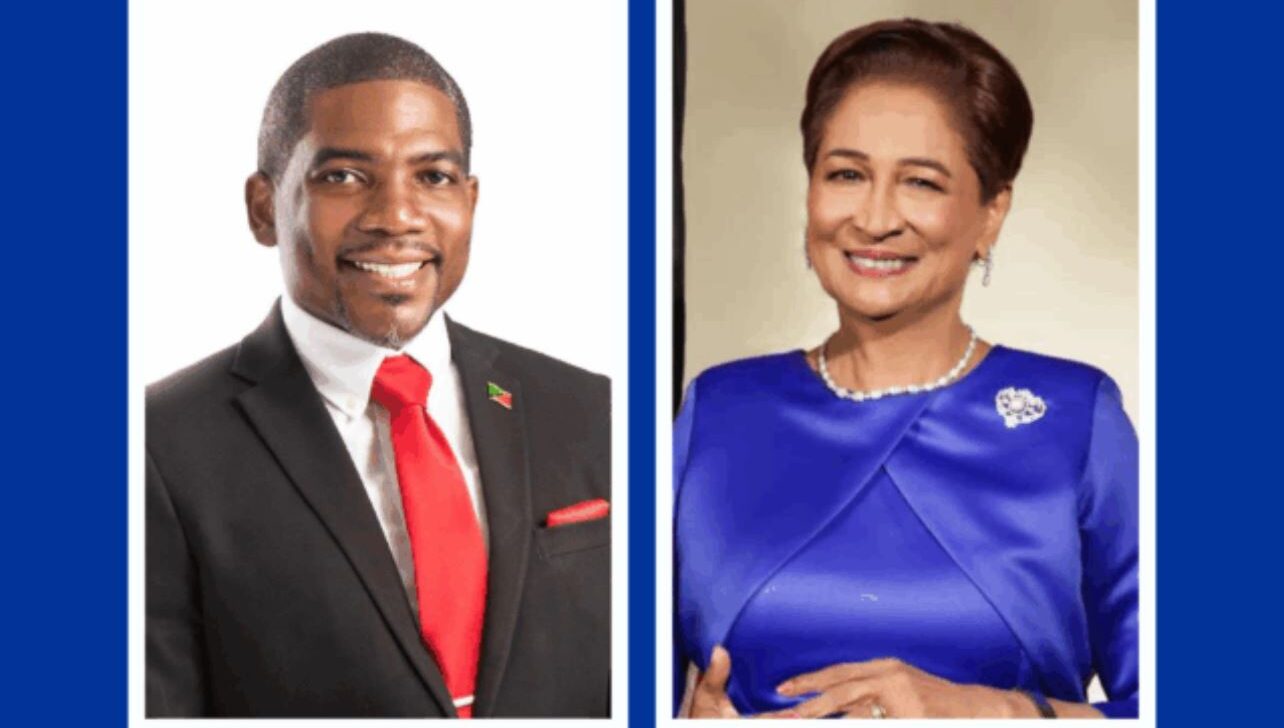
In a significant diplomatic development, Prime Minister of St. Kitts and Nevis Dr. Terrance Drew, serving as current Chair of the Caribbean Community (CARICOM), conducted an official visit to Trinidad and Tobago on January 30th. The high-level engagement included meetings with Prime Minister Kamla Persad-Bissessar and her cabinet members, with CARICOM Secretary General Carla Barnett accompanying the delegation.
Both leaders characterized their discussions as “productive” and “constructive,” marking a notable shift in Trinidad and Tobago’s previously critical stance toward the regional bloc. This diplomatic outreach occurs against the backdrop of emerging fractures within CARICOM regarding foreign policy alignment with United States initiatives.
The central point of contention stems from Trinidad and Tobago’s support for U.S. military operations that facilitated the ouster of former Venezuelan President Nicolás Maduro. This position has created unprecedented divisions within the traditionally unified bloc, particularly regarding the application of hard power in international relations.
CARICOM now faces a fundamental inflection point as member states grapple with competing visions of international engagement. One faction, comprising the majority of members, maintains opposition to hierarchical international orders based on dominant-subordinate state relationships. Another camp, exemplified by Trinidad and Tobago’s recent foreign policy shift, demonstrates increased willingness to accommodate U.S.-led interventionist approaches.
This diplomatic fragmentation emerges as CARICOM confronts the challenging reality of American foreign policy influence under the current administration’s approach, described by some analysts as the “Donroe Doctrine.” The situation tests the bloc’s sovereignty and internal coherence at a critical historical juncture.
The upcoming Fiftieth Regular Meeting of the Conference of CARICOM Heads of Government, scheduled for February 24-27 in St. Kitts and Nevis, will provide a crucial platform for addressing these divisions. Under Dr. Drew’s chairmanship, the summit must navigate competing perspectives while preserving the multilateral principles that have historically amplified small states’ voices on the global stage.
Experts suggest that the bloc’s ability to formulate a collective response to these geopolitical challenges will determine its continued relevance in shaping regional affairs and protecting member states’ post-independence achievements in international relations.