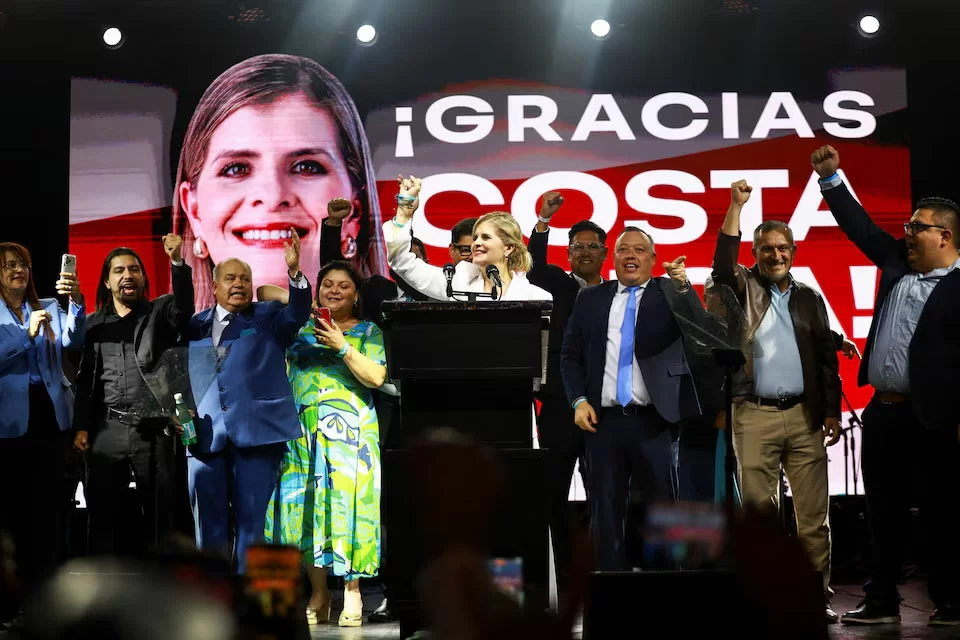
In a sweeping electoral triumph, right-wing populist candidate Laura Fernandez has secured Costa Rica’s presidency with a commanding lead, capturing nearly 45% of votes with 88% of ballots counted. The protégé of incumbent President Rodrigo Chaves has successfully avoided a runoff election while her Sovereign People’s Party (PPSO) is projected to secure 30 out of 57 parliamentary seats—a substantial legislative gain that promises significant governance advantages.
Addressing supporters in San José, Fernandez declared the dawn of a new political era, proclaiming the end of Costa Rica’s ‘second republic’ and the beginning of a ‘third republic.’ She committed to continuing President Chaves’ hardline security policies and populist agenda, despite constitutional prohibitions on immediate presidential reelection. Fernandez indicated she would incorporate Chaves into her administration in an unspecified capacity.
Her primary opponent, centrist politician Álvaro Ramos, conceded after securing approximately one-third of votes, pledging conditional support while maintaining critical oversight. Progressive candidate Claudia Dobles trailed significantly with less than 5% voter support.
The election occurred against a backdrop of escalating security concerns, with murder rates reaching record highs during Chaves’ presidency. Despite this, Chaves maintained remarkable 58% approval ratings, with many citizens citing security and public health as paramount concerns.
Fernandez’s victory aligns with a broader regional trend of right-wing populist ascendancy across Latin America, mirroring recent electoral successes in Chile, Ecuador, and Honduras. Political analysts attribute her triumph largely to potent security rhetoric that resonated with voters’ safety concerns.
Since her election, Fernandez has prioritized strengthening security forces and combating corruption—key campaign pledges. Her administration has announced plans for enhanced legislation against organized crime and investments in modern policing technology.
The international community has responded with mixed reactions: some nations welcome the outcome as potential stabilization, while others express concerns about possible civil rights restrictions and democratic erosion given Fernandez’s populist approach and association with Chaves’ controversial repressive measures.
Significant economic challenges persist, with inflation and unemployment remaining pressing issues. While Fernandez has committed to fostering economic growth and job creation, specific policy details remain undefined, leaving economic stakeholders awaiting concrete implementation plans.