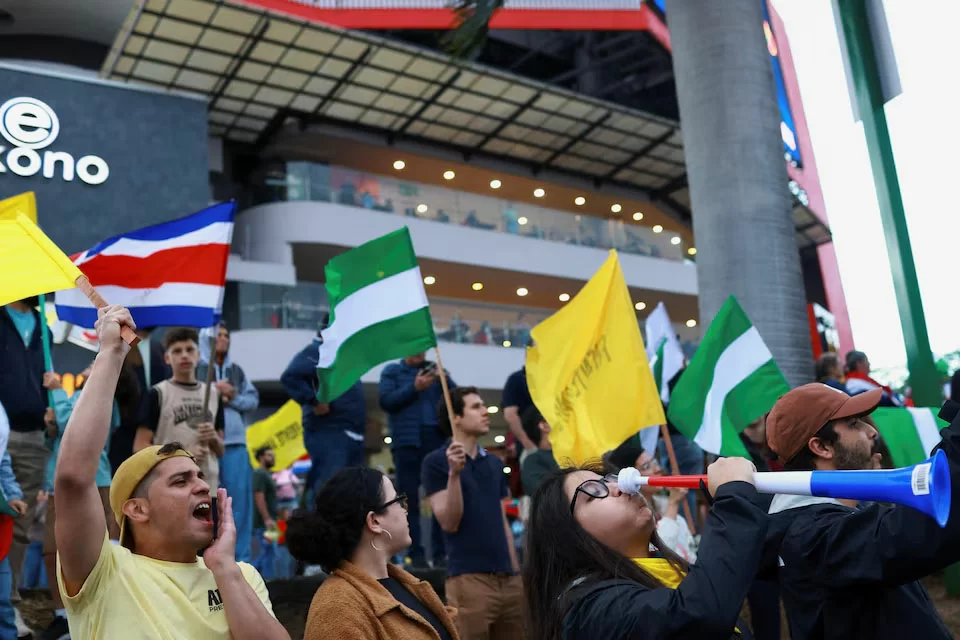
Costa Ricans headed to the polls on Sunday for a pivotal general election that could determine the nation’s approach to escalating drug-related violence that has shattered its reputation as a peaceful tourist haven. Pre-election surveys positioned Laura Fernández of the Sovereign People’s Party (PPSO) as the clear frontrunner with just over 40% support, potentially securing an outright victory and avoiding an April 5 runoff.
Fernández, protégé and former chief of staff to incumbent President Rodrigo Cháves, has campaigned on continuing her mentor’s hardline security policies and anti-establishment messaging. Her closest competitors in the 20-candidate field include centrist economist Alvaro Ramos, representing Costa Rica’s oldest political party, and progressive coalition candidate Claudia Dobles, a former first lady whose husband presided from 2018-2022. Both trail significantly in polls but remain potential contenders for a second round should Fernández fall short of the 40% threshold.
The election occurs against a backdrop of record homicide rates and multiple corruption investigations that have tested public confidence. Despite these challenges, President Cháves maintains a 58% approval rating according to University of Costa Rica’s CIEP polls.
Fernández has additionally requested voters grant her party 40 seats in the 57-seat legislative assembly, which would provide the supermajority needed to implement constitutional reforms. The current administration holds only eight seats and attributes legislative gridlock to this minority status.
Approximately one-quarter of the 3.7 million eligible voters remain undecided, with the largest undecided bloc comprising young adults (18-34) from coastal provinces Guanacaste, Puntarenas, and Limón—regions hardest hit by drug violence.
Polls opened at 6:00 AM local time and closed at 6:00 PM, with initial results expected before midnight. Although consecutive reelection is prohibited in Costa Rica, Fernández has pledged to include Cháves in her administration, positioning her candidacy as continuity of his populist mandate.