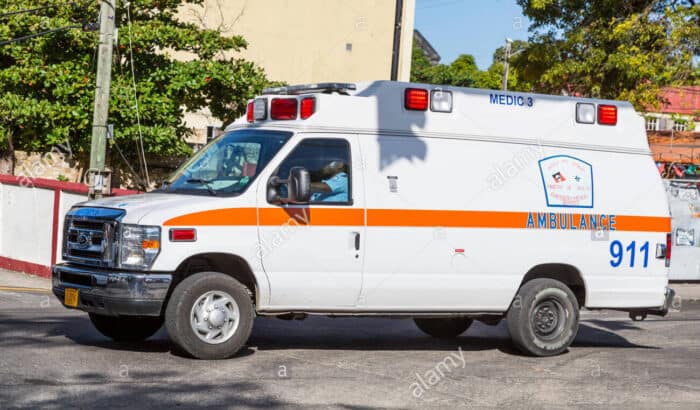
Emergency Medical Services authorities have issued a critical public clarification regarding hospital triage procedures, emphasizing that ambulance transport does not equate to immediate medical treatment upon arrival at healthcare facilities.
Morvin Fiedtko, Public Relations Officer for Emergency Medical Services, explained that patient assessment and treatment prioritization are determined solely by medical urgency rather than mode of transportation. This statement addresses widespread misconceptions about emergency department protocols.
“While emergency transport typically indicates serious conditions,” Fiedtko noted, “hospital medical teams consistently apply standardized triage assessments to evaluate all patients based on clinical severity.” This system ensures that critical cases receive immediate attention regardless of how they arrive at the facility.
The clarification comes in response to observed misuse of ambulance resources by individuals attempting to circumvent standard waiting procedures. Fiedtko identified this as a significant concern, stating that some patients mistakenly believe emergency transport guarantees priority treatment over other patients.
EMS officials emphasized that ambulances constitute a finite resource designed specifically for life-threatening emergencies. The service urged responsible usage to maintain availability for genuine critical cases, noting that inappropriate use potentially delays response times for patients experiencing actual medical crises.
Healthcare professionals reinforce that emergency departments operate under evidence-based triage systems that objectively categorize patients according to medical necessity rather than arrival circumstances. This ensures equitable distribution of medical resources based on clinical need rather than perceived advantages of transportation method.