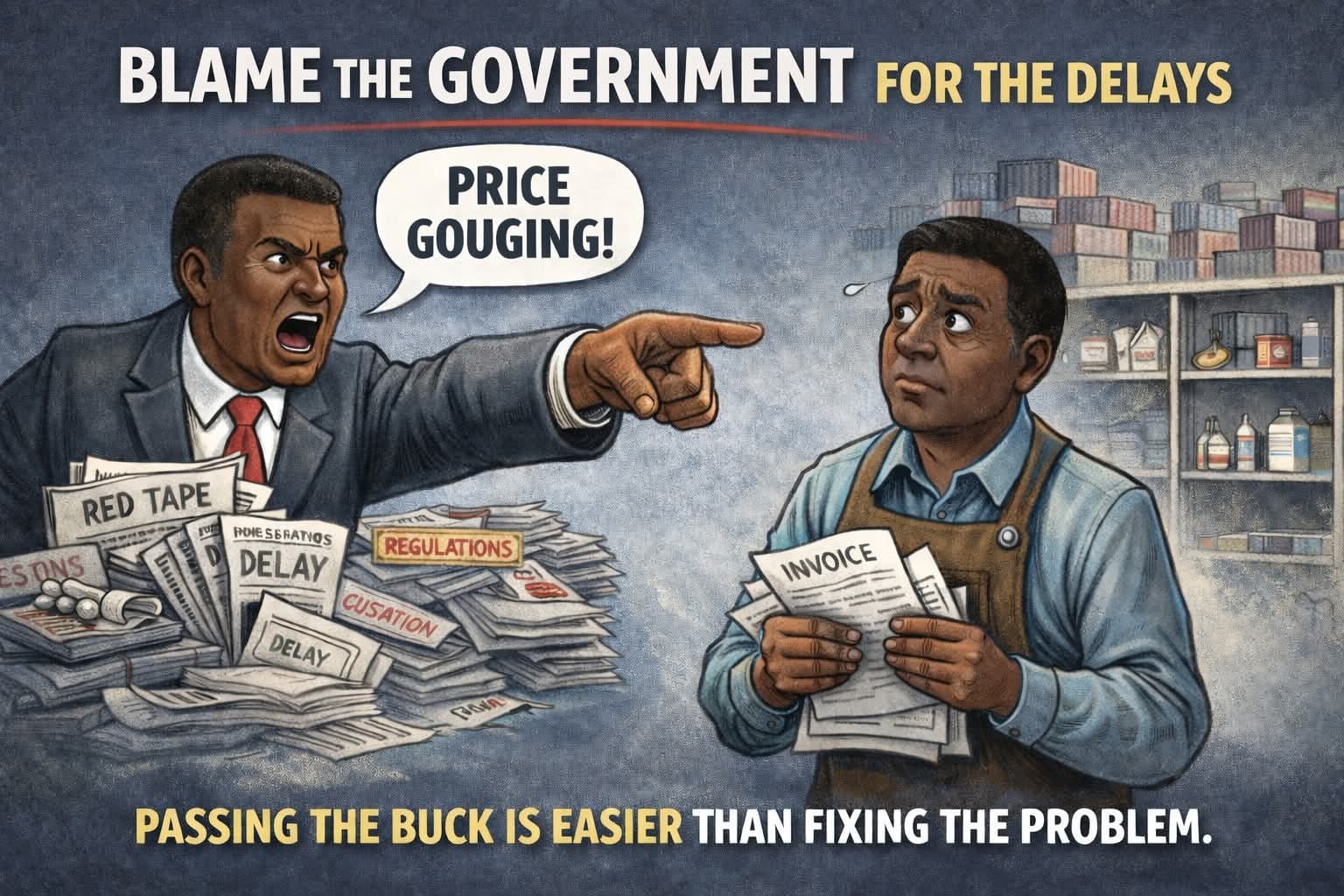
In a striking case of political deflection, the Antigua and Barbuda government faces mounting criticism for erroneously blaming retailers for delayed price reductions that stem directly from administrative failures. The controversy centers on the implementation of CARICOM-mandated tariff reductions on essential food items that were supposed to provide consumer relief.
The timeline reveals systemic governmental delays: While CARICOM members agreed to rate reductions effective July 1, 2025, Antigua’s Cabinet only approved the measure on October 8, 2025, with implementation scheduled for January 1, 2026. Surprisingly, officials then announced in December 2025 that reductions were immediately effective—creating an impossible situation for retailers who had already paid full duties on Christmas season inventory.
Retail experts explain the practical realities: Businesses cannot immediately adjust prices on existing stock without incurring significant losses, particularly when 40% duties were already paid. The process requires selling existing inventory, updating point-of-sale systems, and importing new stock under revised tariffs—a process that realistically extends into February 2026 for most establishments.
Compounding the problem, the government excluded numerous essential items from reductions including chicken, pork, tuna, pasta, and various juices. The administration’s rushed December implementation during peak business season further demonstrated poor understanding of retail operations.
Rather than acknowledging these structural issues, government officials have universally condemned retailers as price gougers—a narrative that ignores the administration’s five-month delay in implementing CARICOM agreements that neighboring countries adopted in mid-2025. This pattern mirrors previous policy implementation failures, including the bungled minimum wage revision.
The current impasse reflects deeper governmental dysfunction in Antigua and Barbuda, where blame deflection appears institutionalized rather than addressing administrative deficiencies that truly delay consumer relief.