Venezuela’s interim President Delcy Rodríguez has unveiled a sweeping amnesty initiative that could secure freedom for hundreds of political detainees, marking the most significant conciliatory gesture since assuming power on January 3. The announcement came during a high-profile ceremony attended by judicial authorities, cabinet ministers, military leadership, and government officials.
The proposed legislation, which will receive expedited consideration by the government-controlled National Assembly, aims to address long-standing demands from US-backed opposition groups. Rodríguez characterized the measure as a vital mechanism to ‘heal the wounds of political confrontations’ and restore justice and social cohesion within the nation.
In a parallel reform, Rodríguez declared the imminent closure of Helicoide prison in Caracas—a facility repeatedly documented for torture and human rights violations. The notorious detention center will be converted into a recreational complex serving both police personnel and local communities.
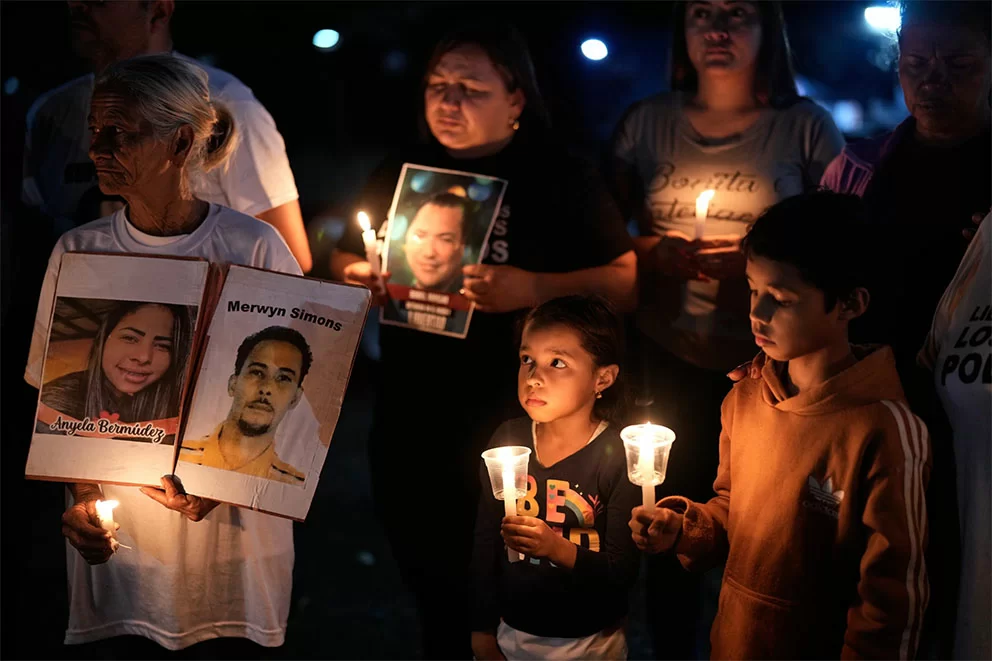
The announcement unfolded amid mixed reactions. While government officials presided over the ceremony, including some accused by former detainees of involvement in prison abuses, relatives of political prisoners gathered outside correctional facilities livestreaming the proceedings and demanding immediate releases.
Opposition leader and Nobel Prize recipient María Corina Machado expressed skepticism regarding the government’s sincerity, suggesting the move resulted from international pressure. She emphasized that political detainees have endured incarceration ranging from one month to 23 years under what she described as a ‘cruel repressive apparatus.’
Human rights organization Foro Penal estimates 711 individuals remain imprisoned for political activities in Venezuela, with 183 already convicted. Notable cases include former parliamentarian Freddy Superlano, attorney Perkins Rocha, and former governor Juan Pablo Guanipa, a key ally of Machado.
Critical details remain unclear as the government has not released specific eligibility criteria for the amnesty program. Rodríguez indicated the law would cover political violence offenses from 1999 to present, excluding those convicted of murder, drug trafficking, corruption, or human rights violations.
The US State Department confirmed Friday that all known American detainees in Venezuela have been released and announced the arrival of new chief diplomat Laura Dogu to Caracas on Saturday.
Despite earlier promises of releases, advocacy groups Provea and Foro Penal criticized the process for lacking transparency and proceeding too slowly. They emphasized that detainees are imprisoned unjustly for exercising internationally recognized rights protected by Venezuela’s constitution.
Outside another Caracas prison, Edward Ocariz—who himself endured over five months’ detention following the 2024 presidential elections—joined families in demanding faster action. ‘We Venezuelans have suffered enough injustices and humiliations,’ Ocariz stated. ‘No one deserves this, yet the guilty continue governing Venezuela.’