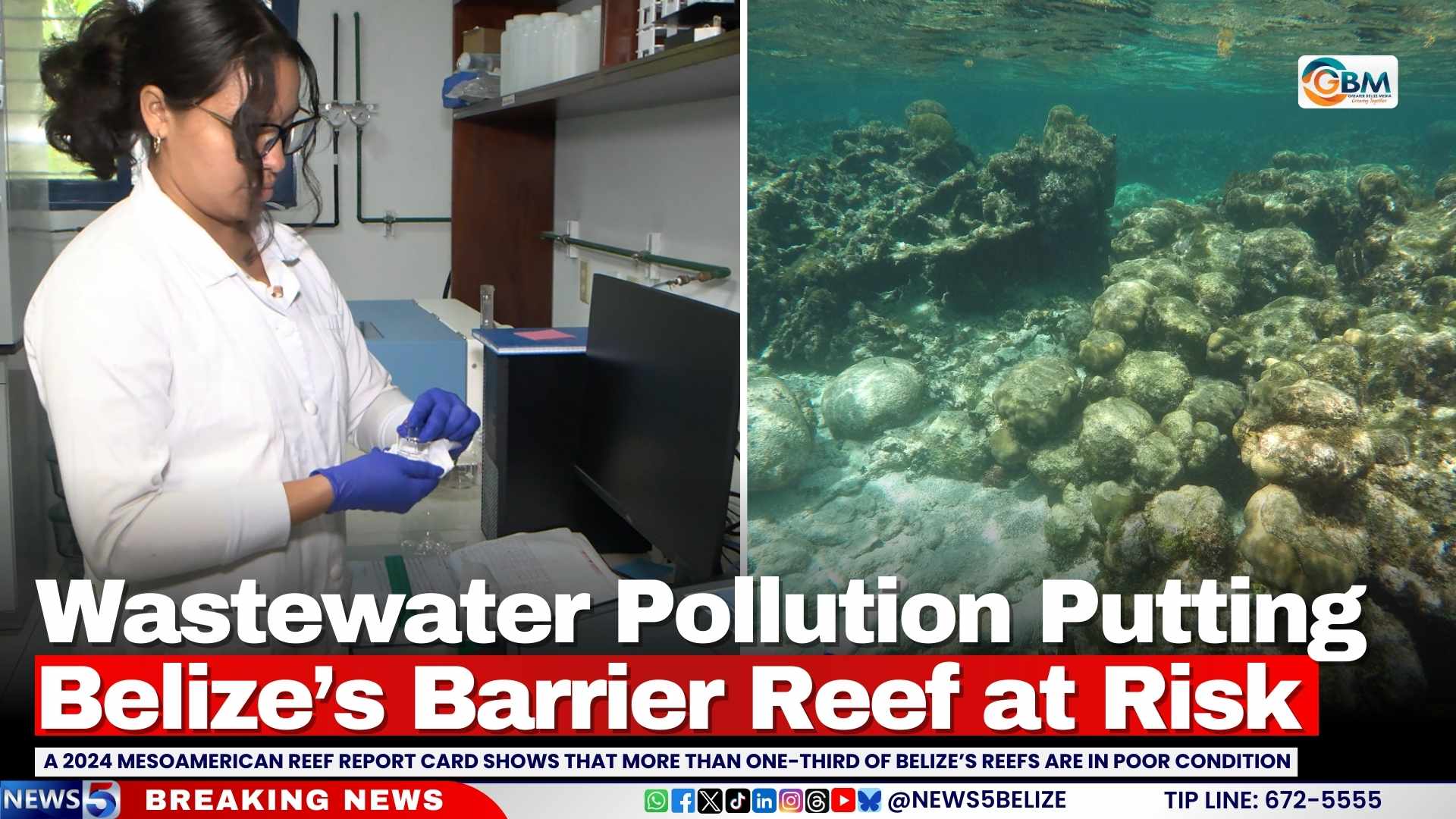
Scientific assessments reveal alarming degradation across Belize’s marine ecosystems, with the 2024 Mesoamerican Reef Report Card indicating over one-third of the nation’s reefs now classified as poor quality. An additional twenty percent have reached critical condition, primarily due to contamination from sewage waste and agricultural runoff.
The organization Healthy Reefs for Healthy People, which coordinates regional monitoring efforts, identifies untreated wastewater as a persistent threat to coral systems. This pollution introduces excessive nutrients and pathogens into marine environments, triggering accelerated algae growth, oxygen depletion, and increased stress on vulnerable coral formations.
At the University of Belize’s Hummingbird Analytical Laboratory, daily water testing provides concrete evidence of pollution sources. Laboratory Officer Zeida Franco-Leon notes that household products leave detectable traces in marine waters. “Phosphates indicate soap suds runoff from domestic use, alongside contamination from agricultural activities,” she explained.
Environmental Officer Kenrick Gordon emphasizes that wastewater management extends beyond municipal systems, encompassing industrial and tourism sectors. “The banana and citrus industries, along with hotels and resorts, must all comply with environmental standards,” Gordon stated.
While governmental agencies including the Department of the Environment and Belize Water Services are implementing improved wastewater management strategies, conservation groups argue that individual responsibility remains crucial. The Belize Fund for a Sustainable Future highlights how domestic sewage treatment and consumer product choices collectively impact reef health and the communities dependent on these ecosystems.