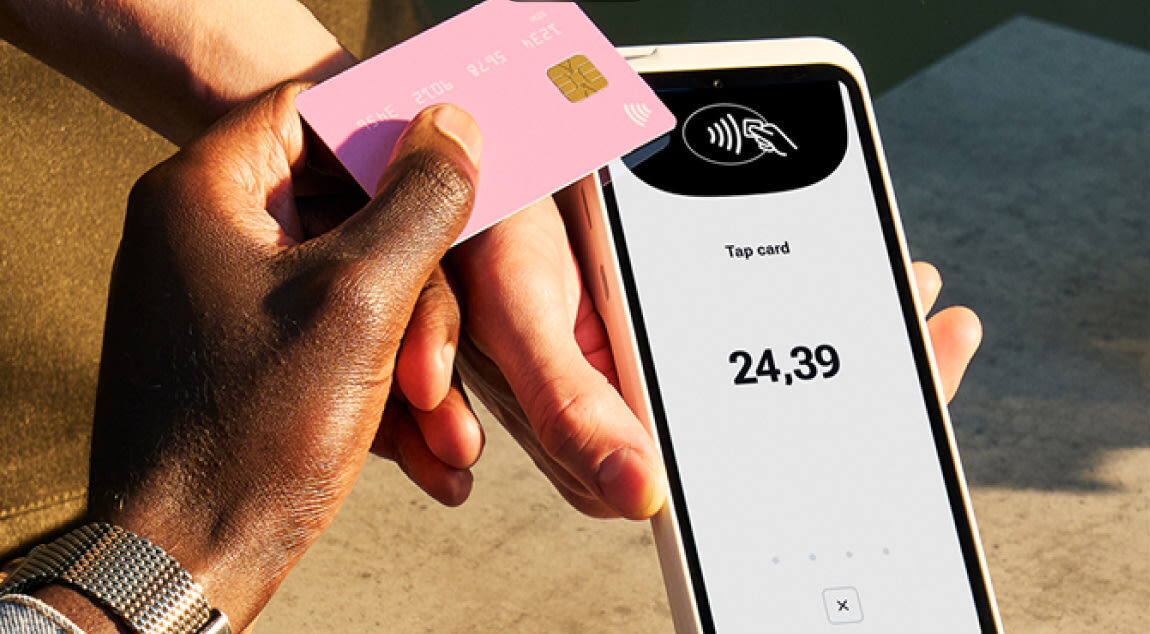
The Bank of Saint Lucia Limited (BOSL) has formally introduced its groundbreaking Tap to Phone payment technology, extending an invitation to all qualified merchants across the nation to embrace this innovative financial solution. This cutting-edge system transforms standard Android smartphones into fully functional payment terminals, eliminating the conventional requirement for separate hardware devices.
This revolutionary payment approach enables businesses of all scales – from established storefronts to temporary pop-up venues and mobile enterprises – to process secure contactless card transactions directly through their mobile devices. The technology represents a significant advancement in financial accessibility, particularly for smaller merchants who previously faced barriers to entering the digital payment ecosystem.
Tarbula Aimable-Amedee, Card Services Manager at BOSL, emphasized the transformative potential of this development: “Our Tap to Phone solution eliminates hardware dependencies while maintaining stringent security protocols and delivering a sophisticated payment interface that fosters commercial expansion and customer satisfaction.”
The bank has committed to providing comprehensive onboarding assistance to ensure seamless implementation for merchants adopting the technology. This support system is designed to facilitate rapid integration and minimize operational disruptions during the transition period.
According to official statements from BOSL, the technology addresses evolving consumer preferences for cashless transactions while simultaneously breaking down traditional obstacles that have hindered digital payment adoption. The system promises to deliver a frictionless payment experience that aligns with contemporary consumer expectations for convenience and security.
Merchants interested in implementing Tap to Phone technology are encouraged to contact Bank of Saint Lucia representatives directly for detailed information regarding eligibility criteria, technical requirements, and implementation procedures.