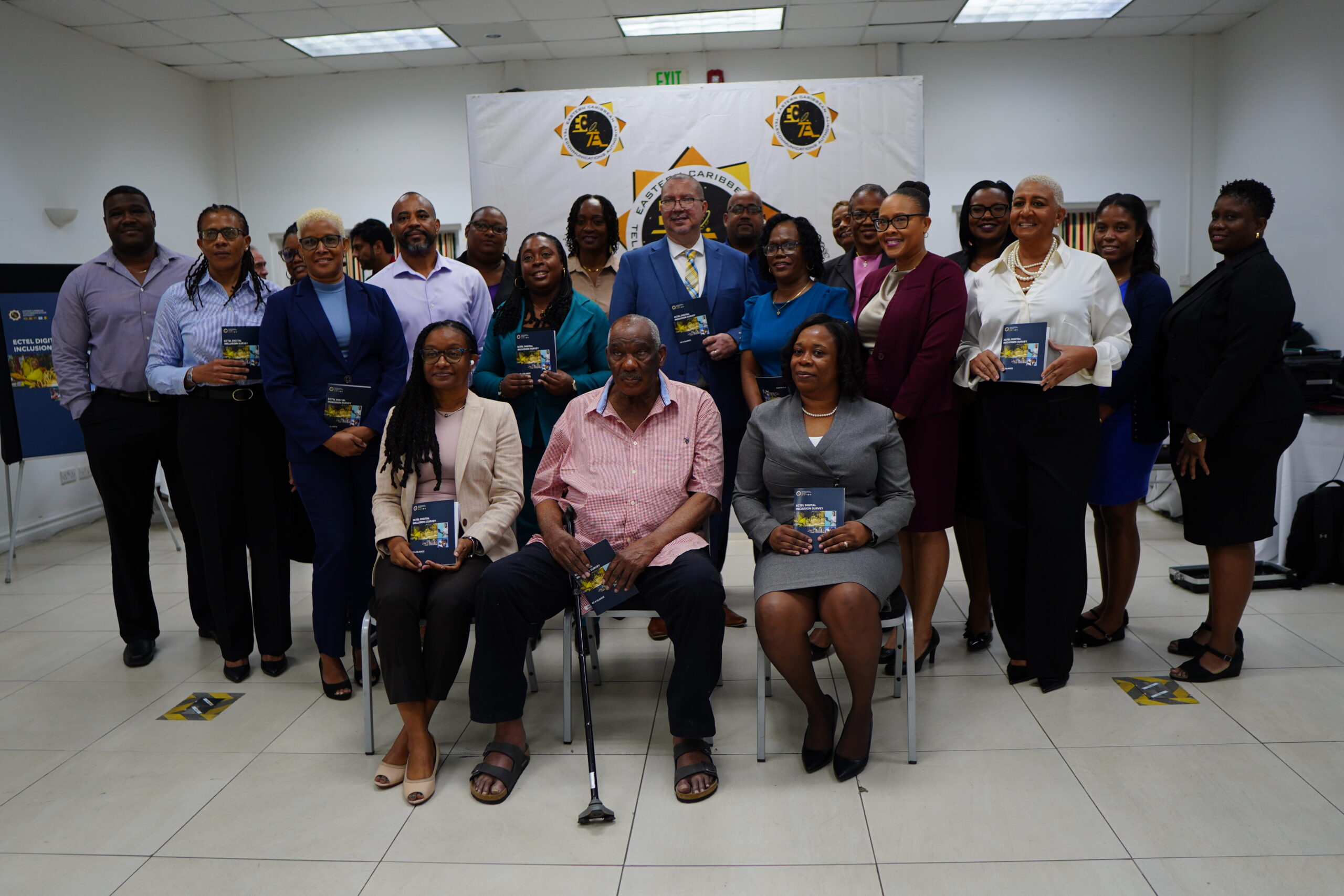
A comprehensive Digital Inclusion Survey conducted by the Eastern Caribbean Telecommunications Authority (ECTEL) has uncovered a critical skills gap in the region, despite significant advancements in broadband connectivity. The official findings were unveiled on January 28, 2026, during a high-profile gathering at the Bougenvelia Conference Room in Rodney Bay, Saint Lucia, attended by telecommunications executives, policy makers, and media representatives.
The extensive research, conducted throughout 2024 across ECTEL’s member states including Dominica, Grenada, St Kitts and Nevis, and Saint Lucia, revealed a paradoxical situation. While access to digital infrastructure has dramatically improved since 2014, the majority of users—approximately 60%—possess only basic digital literacy skills. Advanced technical competencies remain exceptionally rare, with fewer than 5% of users demonstrating intermediate or advanced capabilities.
ECTEL Managing Director David Cox emphasized the significance of these findings in an exclusive statement: ‘The survey’s primary objective was to collect comprehensive data on digital technology usage patterns across these nations. We’ve gathered crucial insights regarding public perception of service costs, accessibility barriers, and usage behaviors that will directly inform future regulatory frameworks.’
Cox acknowledged the substantial progress in broadband penetration but highlighted persistent challenges: ‘Connectivity has indeed jumped considerably since 2014, indicating that markets are progressing in the right direction. However, significant concerns remain regarding service quality and affordability. Price continues to represent a substantial barrier for many citizens seeking to utilize internet services effectively.’
The research identifies a fundamental transition from addressing the physical digital divide to confronting a more complex capability divide. While most households now possess laptops as their primary ICT device, residents predominantly consume digital content rather than create it or engage in sophisticated economic activities through digital platforms.
ECTEL, in collaboration with National Telecommunications Regulatory Commissions and regional governments, is now developing targeted strategies to enhance digital literacy, improve service quality, and reduce cost barriers. These initiatives aim to transform the Eastern Caribbean into a more digitally inclusive society where technological access translates into meaningful economic and social advancement.