The Trump administration is actively considering unprecedented measures to force regime change in Cuba, with a comprehensive embargo on the island nation’s oil imports standing as a central component of this aggressive strategy, according to exclusive reporting from Politico. Three informed sources confirmed the existence of these proposed plans, which represent a significant escalation in the long-standing tensions between the two nations.
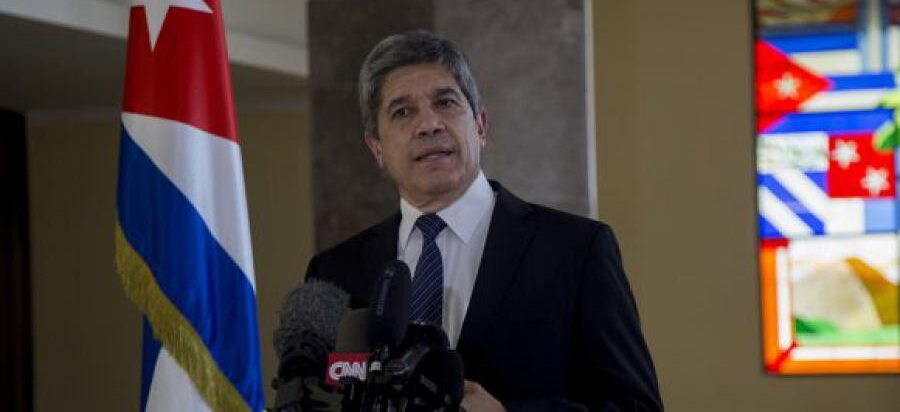
Cuba’s Deputy Foreign Minister, Carlos Fernández de Cossío, issued a forceful condemnation of these developments during a press conference on Friday, characterizing the proposed measures as a “brutal assault” against a peaceful country that presents no legitimate threat to United States security interests. The senior diplomat articulated that these contemplated actions provide incontrovertible evidence that the economic hardships endured by the Cuban people directly result from Washington-designed policies rather than internal failures.
Historical context reveals concerning parallels to previous administration efforts. Fernández de Cossío highlighted that in 2019, influential figures including Secretary of State Marco Rubio and former National Security Advisor John Bolton successfully persuaded President Trump to implement a similar blockade. That earlier initiative was ultimately thwarted by national security agencies that determined such confrontational measures would be unjustifiable, irresponsible, and dangerously provocative.
The proposed oil embargo finds its legal justification in the 1994 LIBERTAD Act, commonly referred to as the Helms-Burton Act, which established the legal framework for intensified economic pressure on Cuba. However, internal administration dissent has emerged, with some officials warning that a complete blockade of oil imports could precipitate a severe humanitarian crisis on the island.
Fernández de Cossío described the reemergence of these threats in 2026 as representative of a rejuvenated hostile posture intended to destabilize Cuba’s energy infrastructure through methods he characterized as “international piracy.” This diplomatic warning occurs against the backdrop of expanding resistance from Global South nations against what they perceive as unilateral and aggressive policies advanced by the current Republican administration.