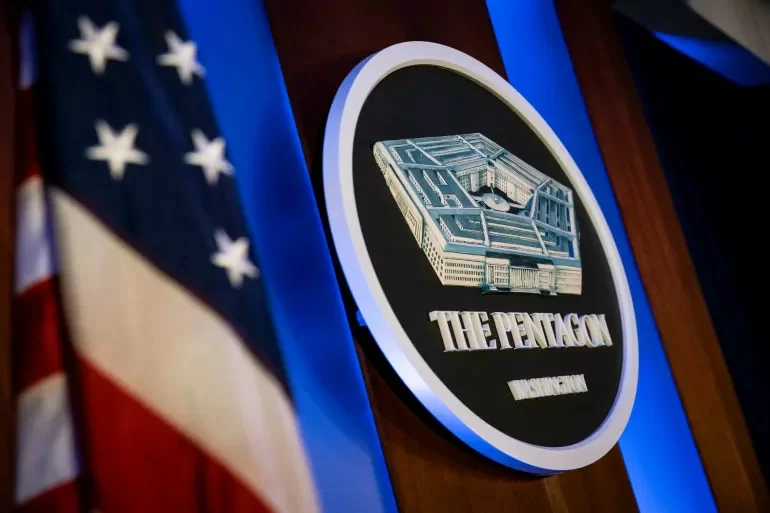
The Pentagon has released a groundbreaking National Defense Strategy (NDS) document signaling a profound shift in American military priorities toward territorial protection and China deterrence, while substantially reducing support for European allies and global partners. Published in 2026, this strategic blueprint marks a dramatic departure from previous defense doctrines established during the Biden administration.
The comprehensive strategy document emphasizes that allies worldwide must assume greater responsibility for their own defense, with the United States providing only critical but limited military support. Simultaneously, it advocates for ‘respectful relations’ with China while characterizing Russia as a ‘persistent yet manageable’ threat, particularly for eastern NATO members. Notably absent from the document is any mention of Taiwan, despite China’s persistent claims over the island nation.
A significant portion of the new strategy focuses on Latin America, which has been elevated to priority status on the American security agenda. The Pentagon aims to reassert U.S. military dominance throughout the Western Hemisphere, invoking what it terms the ‘Trump Corollary to the Monroe Doctrine’ – a modern interpretation of the historical declaration opposing foreign interference in the Americas.
This strategic repositioning follows controversial military actions in the region since Trump’s return to power in January 2025. These include the abduction of Venezuelan President Nicolás Maduro and his wife, along with attacks on over thirty suspected drug smuggling vessels that resulted in more than one hundred casualties. However, no conclusive evidence has been presented proving these vessels’ involvement in drug trafficking, leading experts to warn that these operations may constitute extrajudicial killings given civilian casualties.
The 2026 NDS notably omits climate change, previously classified as an ’emerging threat’ under the Biden administration, while completely redefining America’s approach to global security relationships and power competition in the Western Hemisphere.