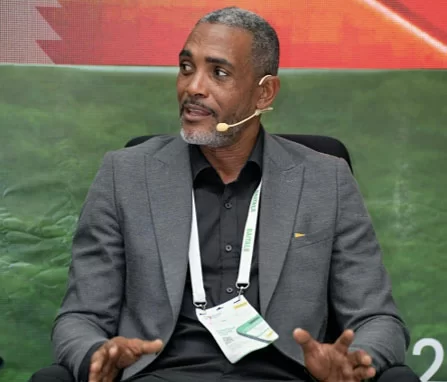
Suriname’s emerging oil and gas sector confronts significant challenges regarding local content development, according to Orlando Olmberg, President of the Suriname Energy Chamber (SEC). Despite repeated governmental assurances prioritizing local participation, the nation lacks a concrete short-term action plan, creating uncertainty among businesses and communities alike.
The institutional framework and policy mechanisms governing local content requirements remain insufficiently developed. While the October 17 state decree formally designated local content as a priority area for the oil and gas industry, this represents merely an initial step toward comprehensive implementation.
Private sector initiatives have emerged in recent years to better prepare Surinamese companies and workers for opportunities within the energy sector. However, Olmberg emphasizes that structured collaboration between government and industry is essential to establish clear agreements, unified direction, and to overcome current policy fragmentation.
Time sensitivity presents a critical factor, as oil and gas operations follow strict timelines from development to production. These processes continue regardless of local preparedness levels. Staatsolie, the state-owned oil company, oversees multinational compliance with contractual obligations regarding local workforce, goods, and services utilization. Nevertheless, Surinamese businesses will primarily depend on sector-generated spin-off opportunities.
During a recent Local Content Conference, the government outlined its policy direction. The current challenge involves translating these intentions into measurable, concrete implementation strategies. Olmberg asserts that the foundation has been laid by various private sector entities, but without clear policy choices, structure, consultation, and joint execution, Suriname risks missing crucial economic opportunities. The time has come to transition from discussion to decisive action.