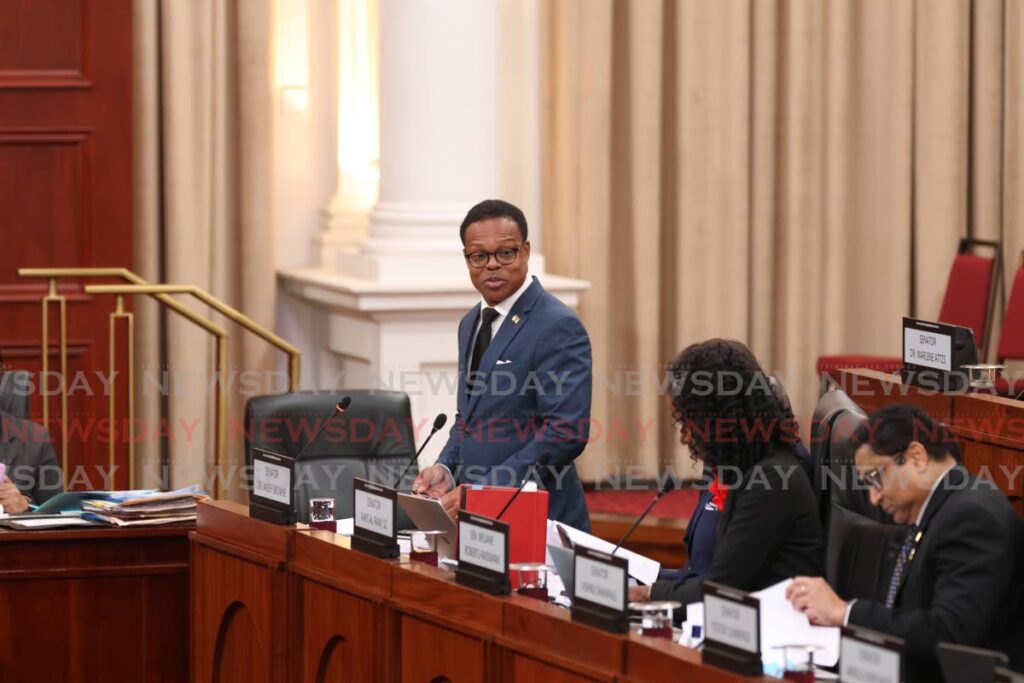
A heated debate unfolded in Trinidad and Tobago’s Senate regarding The Motor Vehicles and Road Traffic (Amendment) Bill, 2026, with Opposition Senator Dr. Amery Browne demanding the government revert traffic fines to previous levels. The January 20 session at the Red House in Port of Spain saw Browne characterize the increased penalties as “brutal punishment” that has left citizens feeling “betrayed and deceived” by the UNC government’s unfulfilled campaign promises.
The legislation, piloted by Transport and Civil Aviation Minister Eli Zakour, establishes 18 traffic violations eligible for fixed penalty notices with compliance periods of three days for minor infractions and seven days for severe violations. Minister Zakour defended the bill as a “structured, traceable and enforceable warning system” designed to enhance road safety while promoting efficiency and fairness in justice administration. He emphasized the system’s corrective approach, allowing drivers opportunity to address defects before facing penalties.
Senator Browne countered by highlighting widespread public outrage following the Christmas Day announcement, citing expressions of discontent through social media, editorial letters, and radio call-in programs. He reminded the government of pre-election promises to reduce traffic fines and contrasted previous empathy toward police “bullying” with current enforcement measures. Browne particularly criticized the impractical three-day compliance window, warning it would leave citizens “at the mercy of an unsupported and unregulated mechanic industry” where unscrupulous operators prey on vulnerable populations.
Independent Senator Dr. Desiree Murray echoed concerns about unreasonable timeframes while acknowledging the necessity of addressing vehicle safety issues. She advocated for extended compliance periods—21 days for minor violations and 42 days for severe cases—to accommodate financial constraints and personal circumstances of vulnerable groups including people with disabilities, single parents, and caregivers. Murray proposed flexible compliance proof submission methods to demonstrate the legislation’s genuine focus on road safety rather than revenue generation.