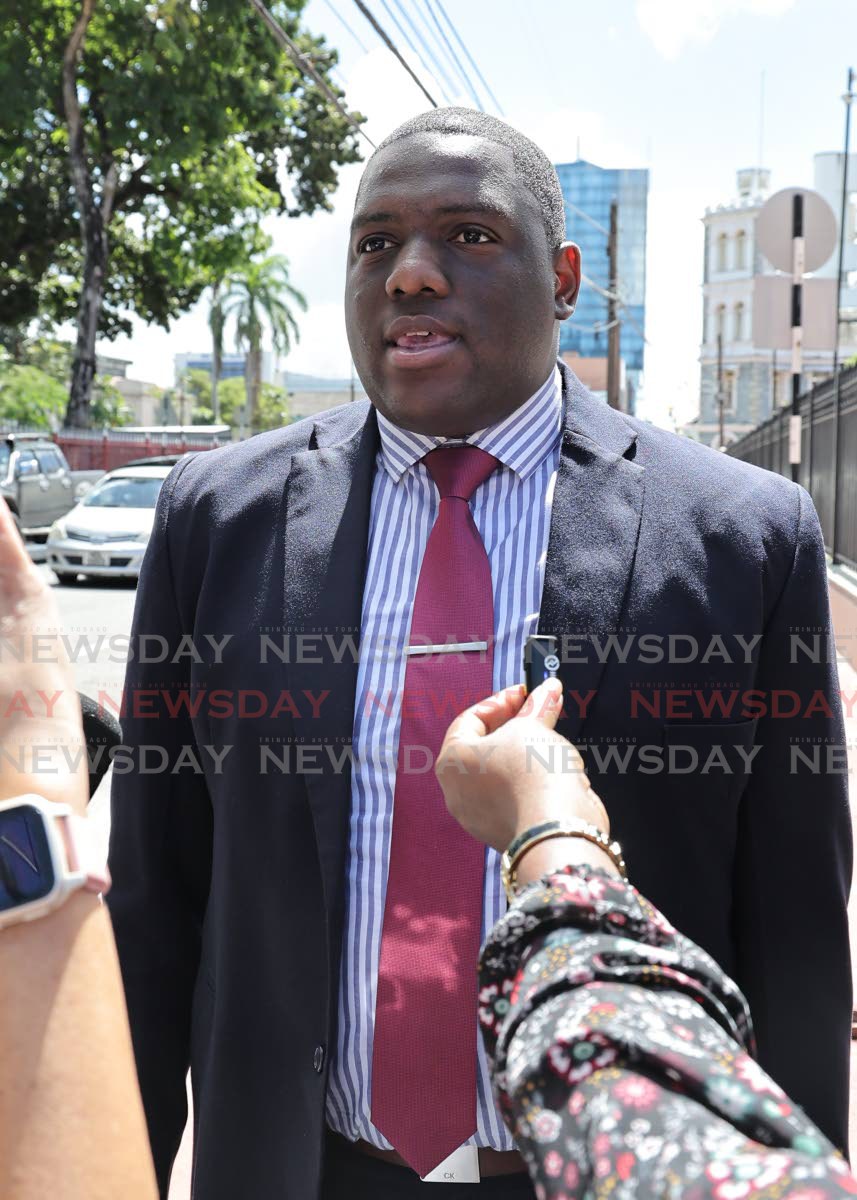
The Trinidad and Tobago House of Representatives convened a critical session on January 23rd to examine a pressing private motion filed by Laventille West MP Kareem Marcelle, addressing what he characterizes as a deepening socio-economic emergency. The motion demands governmental recognition of severe unemployment impacts and implementation of substantial social relief measures.
Marcelle’s proposition emphasizes the state’s fundamental obligation to ensure citizen welfare and foster conditions conducive to dignified living standards. The parliamentarian cited widespread terminations and non-renewals of contracts across public institutions, state agencies, and local government bodies as primary drivers of the crisis. These developments have particularly devastated vulnerable demographics including single mothers, female-headed households, youth, elderly citizens, and persons with disabilities.
The motion further outlines severe consequences stemming from employment instability: intensified food insecurity, rising school absenteeism, deteriorating mental health conditions, and increased risks of exploitation and social marginalization. Marcelle cautioned that diminished employment opportunities coupled with reduced community engagement directly threaten public safety and social stability while undermining local commerce and micro-enterprise sustainability.
The political context reveals sharp contrasts between governing and opposition parties. Following the April general election that resulted in a 26-13-2 victory for the UNC, the opposition PNM has consistently criticized the new administration for terminating thousands of positions through closures of Cepep, the Unemployment Relief Programme (URP), and other social initiatives established during the PNM’s 2015-2026 governance period.
Opposition Leader Pennelope Beckles reinforced these criticisms during a January 21st press conference, accusing Prime Minister Persad-Bissessar of misleading voters into believing job security would continue post-election. Beckles characterized the current government as indifferent to citizen welfare and urged public awareness regarding employment protections.
Simultaneously, the Senate convened to advance debate on the Law Reform (Zones of Special Operations) Bill 2026, previously approved by the House on January 16th. This legislation empowers the National Security Council chair, in consultation with police and defense force leadership, to designate special security zones for maximum 180-day periods.
Preceding both parliamentary sessions, the Finance and Legal Affairs joint select committee conducted a public inquiry into credit union supervisory frameworks, chaired by Independent Senator Dr. Marlene Attzs with participation from Justice Minister Devesh Maharaj and San Fernando East MP Brian Manning.