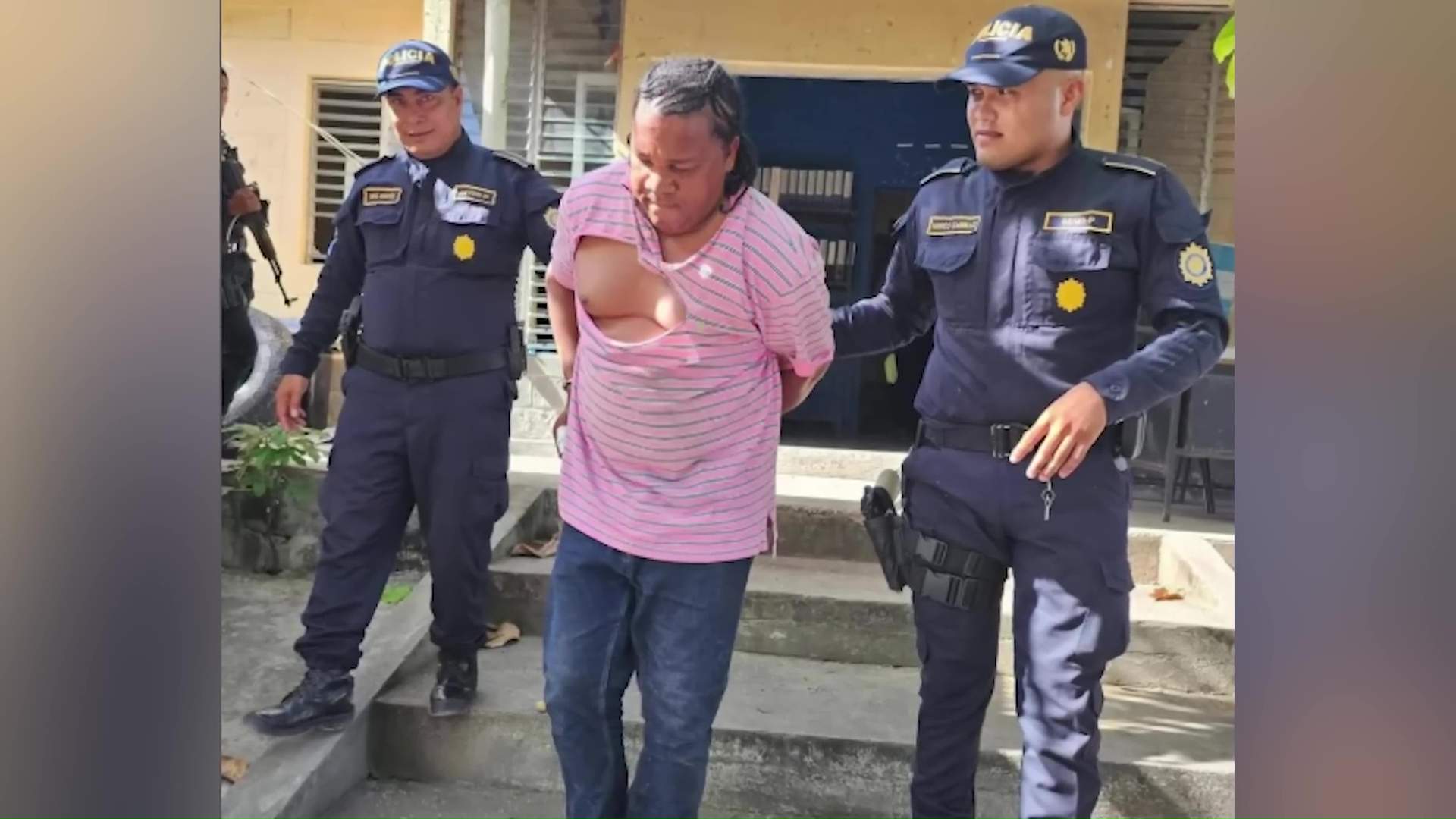
A landmark constitutional lawsuit alleging the unlawful abduction and extradition of Joseph Budna to Guatemalan authorities faces potential collapse in Belize’s judicial system. The case took a dramatic turn during recent proceedings as Senior Counsel Eamon Courtenay, representing former Home Affairs Minister Kareem Musa, moved to have the claim entirely dismissed on constitutional grounds.
Courtenay presented a fundamental legal argument that challenges the very foundation of Budna’s lawsuit. He emphasized that Belize’s Constitution explicitly designates the Attorney General—not individual government officials—as the proper defendant in civil or constitutional claims against the state. This technical jurisdictional issue could prove fatal to Budna’s case against the former minister.
The allegations at the heart of the lawsuit are severe, including accusations of kidnapping, torture, and violations of multiple international conventions. Courtenay argued that such serious claims require immediate evidentiary support rather than promises of future proof. “Many things are said in the street,” Courtenay told the court. “Street facts do not constitute evidence. Mr. Budna should get his tackle in order and bring evidence if he has any.”
The defense has formally requested that the court award legal costs against Budna’s legal team, characterizing the lawsuit as “ill-conceived” and improperly filed against Minister Musa in his personal capacity rather than his official role. This cost application places additional financial pressure on Budna’s representatives, who now face the possibility of covering the defense’s legal expenses.
The presiding judge’s upcoming decision will determine whether the case proceeds to substantive hearings or is dismissed entirely based on these preliminary objections. This development represents a significant setback for Budna’s attempt to seek legal recourse for what he claims were grave violations of his constitutional rights during his transfer to Guatemalan authorities.