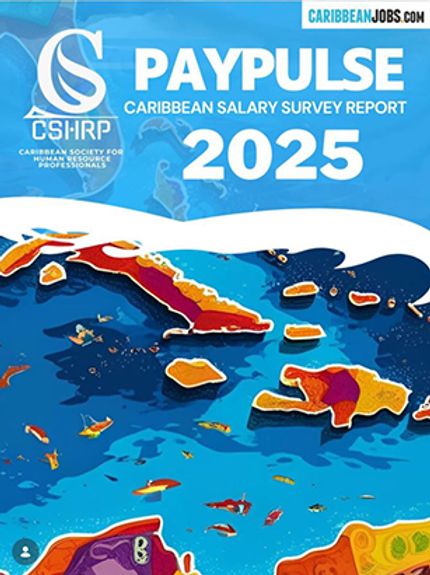
A groundbreaking regional compensation study has exposed significant economic disparities throughout the Caribbean nations. The Caribbean Society for Human Resource Professionals (CSHRP) has published its fourth annual PayPulse survey, delivering the most comprehensive analysis to date of wage structures and cost-of-living challenges across the archipelago.
The 2025 edition marks a substantial expansion in research scope, incorporating 206 survey responses from 119 organizations operating across 20 Caribbean territories. This represents a 48% response rate increase and more than doubles corporate participation compared to previous year’s data collection. The extensive research encompasses 137 distinct professional positions spanning 34 industrial sectors.
This year’s report introduces an innovative Affordability Index metric that juxtaposes average monthly earnings against essential living expenditures—including housing, food, utilities, and transportation. An index score of 100% indicates earnings precisely meet basic subsistence requirements, while figures above or below this threshold denote varying degrees of financial comfort or strain.
Geographical analysis reveals dramatic regional variations. Belize emerged with exceptional economic resilience at 233.99%, followed by Guyana (138.63%) and Grenada (136.56%). Moderate affordability characterized The Bahamas, Antigua and Barbuda, and Jamaica. Conversely, eight nations registered concerning scores below the sustainability threshold—Trinidad and Tobago, Barbados, Saint Lucia, and Aruba among them—where typical incomes fail to cover fundamental living costs.
Compensation benchmarking demonstrated Antigua and Barbuda, St. Kitts and Nevis, and Belize offered the highest proportion of supra-market wages. Contrastingly, Trinidad and Tobago, Saint Lucia, and Guyana predominantly compensated below regional standards.
Sectoral assessment identified Construction, Architecture, and Property as having the highest prevalence of sub-market remuneration packages. Hospitality, Tourism, and Catering sectors outperformed others in compensation competitiveness. Premium earning opportunities concentrated in Human Resources, Banking and Financial Services, alongside Hospitality and Tourism divisions.
Recruitment metrics indicated most vacancies fill within three to eight weeks, though C-suite and specialized technology roles frequently require nine weeks or longer. Entry-level positions typically staff within three weeks.
Executive leadership roles continued to dominate the compensation landscape, with Chief Executive Officers commanding highest regional remuneration, followed by Chief Operating Officers and Chief Financial Officers.
Benefits analysis revealed health insurance and retirement plans as standard offerings for professional tiers, while perks like company vehicles and transportation allowances remained predominantly restricted to senior management.
CSHRP emphasizes PayPulse 2025 delivers vital business intelligence for stakeholders across the economic spectrum—from HR professionals and employees to governmental policymakers—enabling evidence-based decisions amid evolving Caribbean economic conditions. The complete report is available for acquisition at www.cshrpteam.com.