The highly anticipated launch of global ride-sharing giant Uber in Saint Lucia faces regulatory uncertainty as crucial discussions with Tourism Minister Ernest Hilaire remain unconvened. Despite preliminary correspondence indicating mutual interest in dialogue, no formal engagement has occurred between the company and government officials.
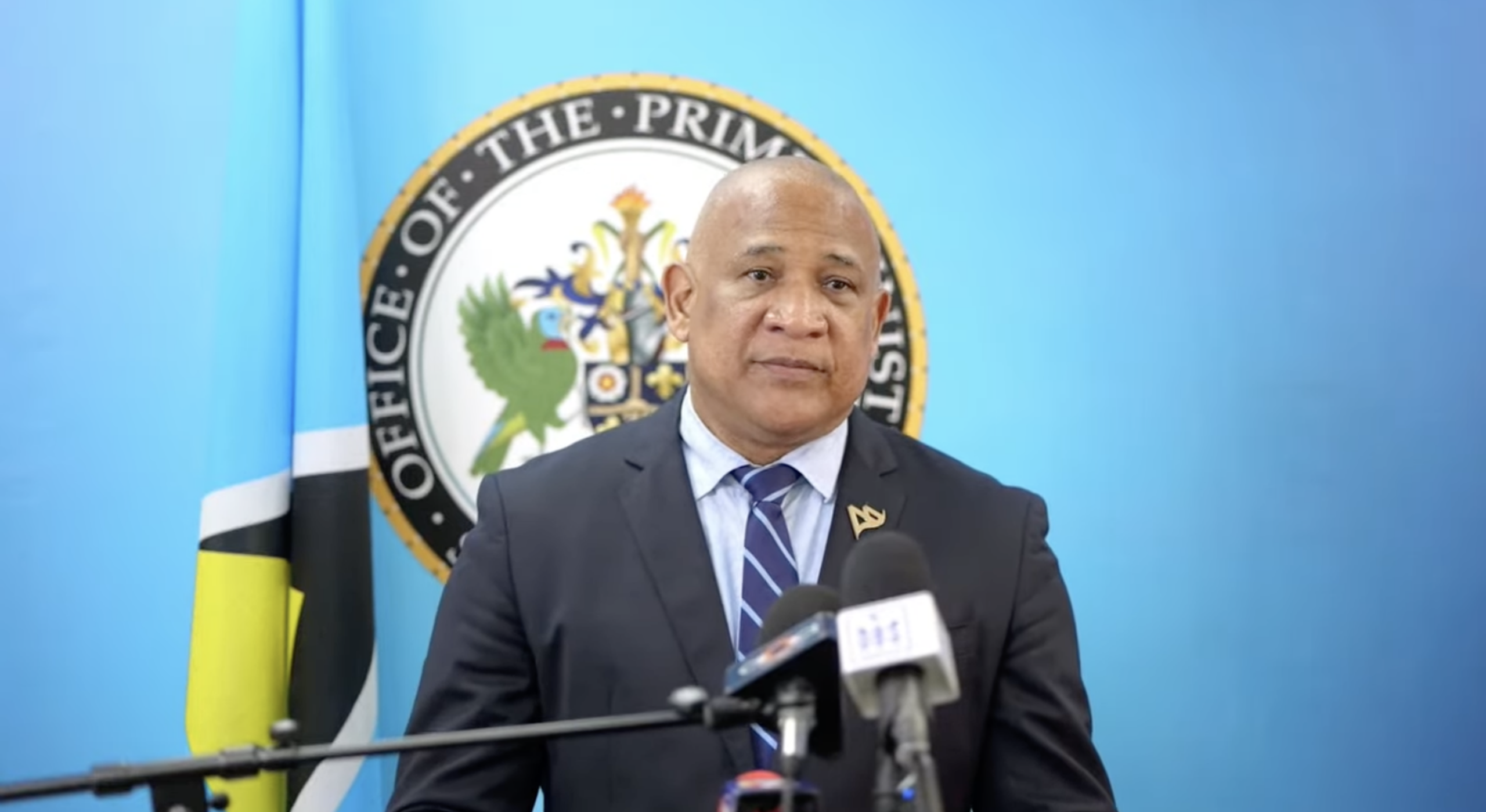
Minister Hilaire confirmed the stalled communications during a January 19th pre-Cabinet briefing, acknowledging receipt of Uber’s written expression of interest but noting the absence of subsequent scheduling. “I agreed that we shall have a meeting in the new year,” Hilaire stated, “but no meeting has been held.” The minister emphasized he would await Uber’s formal presentation at the appropriate time.
Complicating the potential market entry, the Saint Lucia National Taxi Union has submitted what the minister characterized as an ‘interesting’ letter outlining substantial concerns regarding Uber’s disruptive impact on traditional taxi services. Union President Terry Valcin has previously voiced strong opposition, labeling the proposed service as “potentially detrimental” to local operators, with multiple affiliated associations echoing this resistance.
This stands in direct contrast to Uber’s own assessment of local receptiveness. In December 2025 statements to St. Lucia Times, company representatives reported being “encouraged by the positive response,” citing numerous driver and association sign-ups during preliminary outreach.
Amid these conflicting perspectives, Minister Hilaire advocated for measured patience, clarifying that Uber’s launch currently falls outside the administration’s priority agenda. He urged stakeholders to maintain calm as future discussions develop, emphasizing that any formal negotiations would prioritize transparent dialogue between government entities, the taxi union, and Uber representatives.
The minister further highlighted existing regulatory frameworks that restrict participation in transport services exclusively to licensed taxi drivers operating vehicles with official ‘TX’ license plates, establishing significant legal considerations for Uber’s proposed operations.