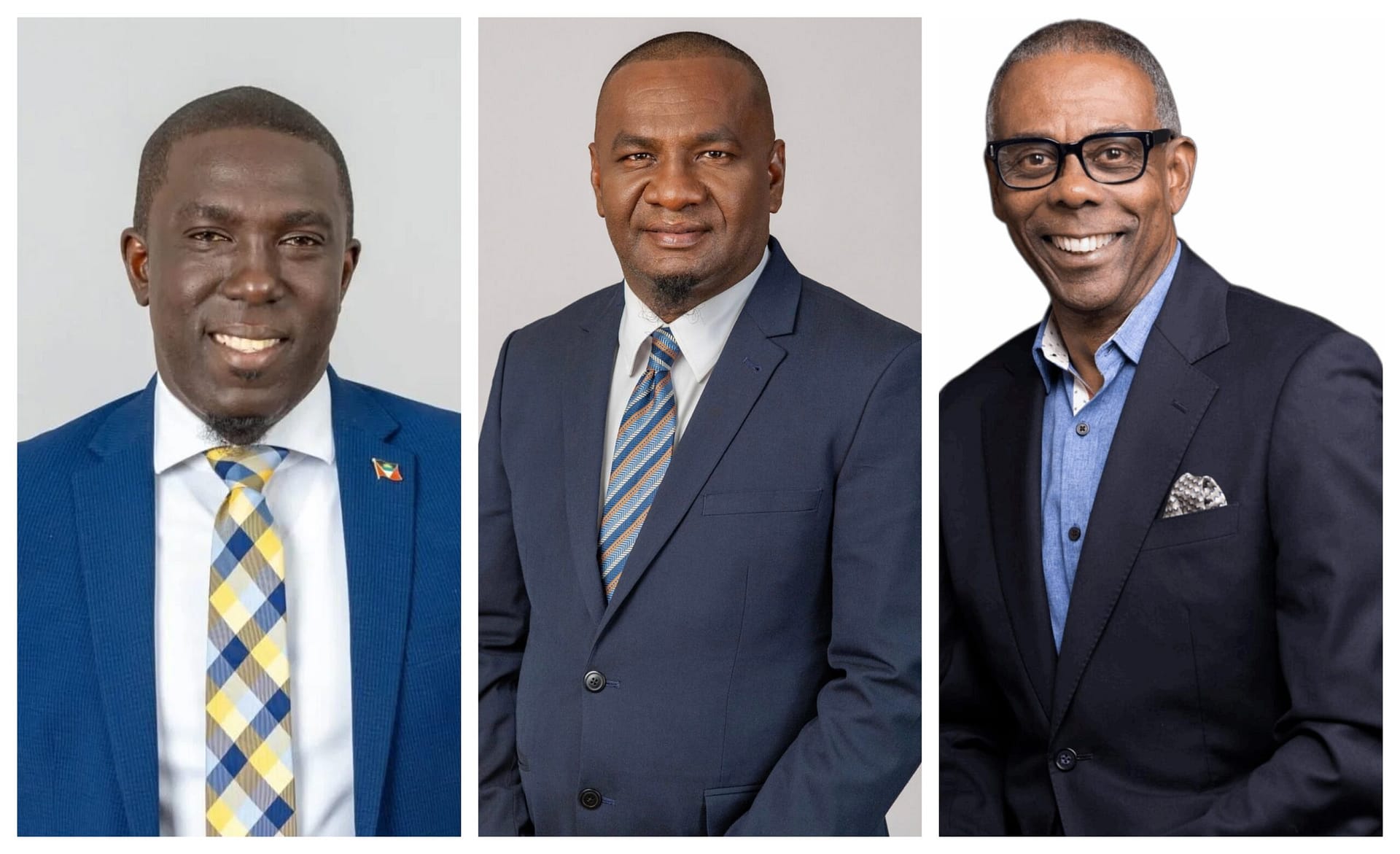
The United Progressive Party (UPP) faces an existential crisis following the startling revelations from its St. George primary election, where Kelton Dalson secured victory with a mere nine votes while opponents Kem Riley and Buffy Kentish garnered just two votes each. This electoral farce—conducted with only 16 eligible voters from over 260 registered Plus members—exposes catastrophic organizational failures that transcend mere administrative oversight.
Political analysts are characterizing this event as symptomatic of systemic institutional decay rather than an isolated incident. The primary underscores the complete erosion of internal democratic processes and highlights a leadership structure plagued by incompetence and disengagement. Under Giselle Isaac’s stewardship, the UPP has deteriorated from a formidable political force to a hollow entity marked by confusion, exclusion, and unaccountability.
The crisis demands immediate reckoning at the highest levels. Harold Lovell faces mounting pressure to either challenge current leader Jamal Pringle for party leadership or withdraw entirely from political influence. Meanwhile, Pringle’s tenure has been defined by an absence of results, credibility, and momentum—raising serious questions about his capacity to reverse the party’s decline.
This electoral debacle demonstrates the UPP’s inability to mobilize its base, maintain membership integrity, or conduct credible internal processes. The most poignant revelation emerges: the greatest threat to the party’s survival stems not from external opposition but from its own leadership failures. Supporters now confront the painful reality that without radical organizational reform and leadership accountability, the UPP’s viability as a political institution remains in grave jeopardy.