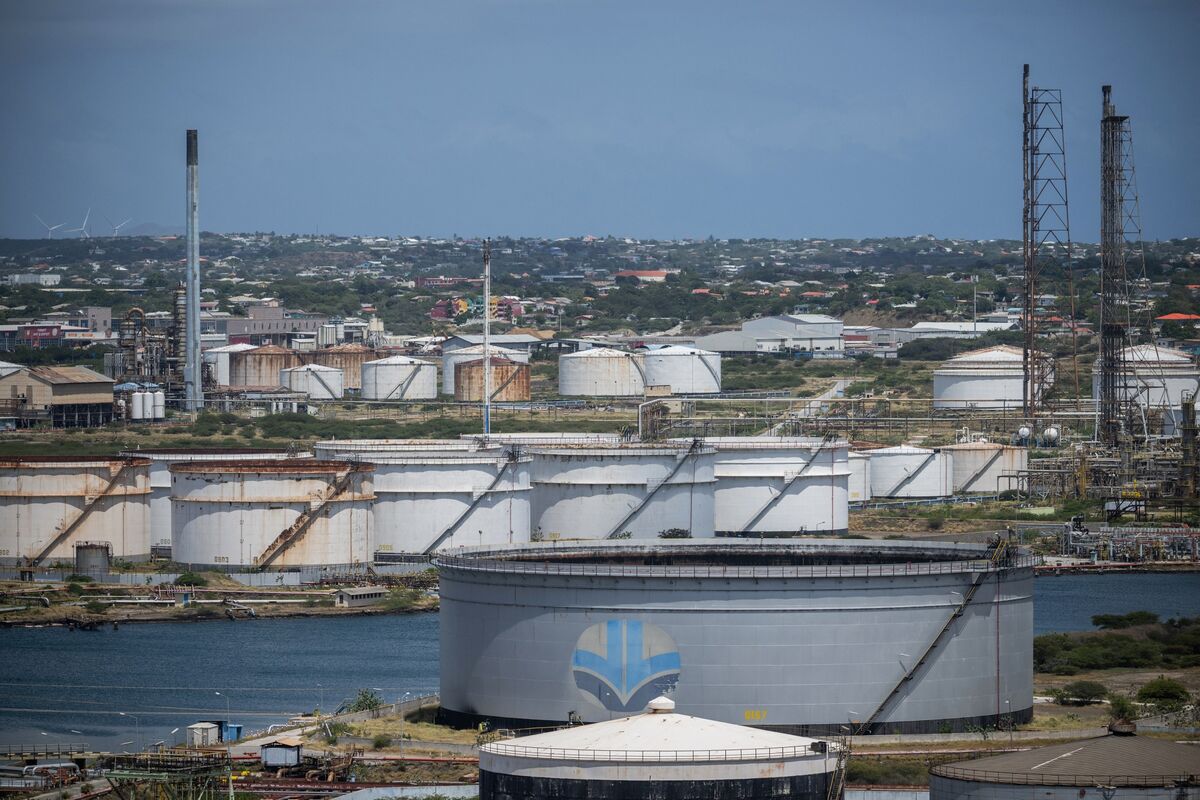
A significant realignment in global oil shipping is underway as tankers commence open discharge of Venezuelan crude at Caribbean hubs, signaling a dramatic shift in trade patterns following Washington’s intervention in Caracas’ petroleum industry. Over the weekend, approximately 2.5 million barrels of Merey heavy crude were delivered to storage facilities on Saint Lucia and Curaçao, transforming these islands into strategic staging posts for expanded global distribution.
The market disruption is immediately evident in freight rates, which have surged on certain routes as previously obscured vessels—including members of the so-called ‘dark fleet’—now activate transponders during offloading operations. This transparency marks a departure from previous covert shipping practices.
Detailed shipping movements confirm this new paradigm: The VLCC Kelly arrived at Castries, Saint Lucia on January 18 carrying 1.9 million barrels—the first Venezuelan crude shipment to the island since December 2018. Simultaneously, the Aframax tanker Volans discharged approximately 600,000 barrels at Curaçao’s Bullen Bay terminal on January 17, transporting cargo for commodities giant Vitol. Further confirming the trend, the VLCC Marbella reached South Riding Point in the Bahamas on January 19 with another 1.9 million-barrel Vitol consignment.
The Biden administration has strategically engaged trading powerhouses Trafigura Group and Vitol Group to market Venezuelan barrels while encouraging US energy majors to invest in revitalizing the country’s distressed oil infrastructure. Buckeye Partners LP, operator of the Saint Lucia storage facility, confirmed its role in this recalibrated supply chain, emphasizing its commitment to ‘leveraging operational expertise and strategically positioned infrastructure to bring Venezuelan crude to market safely, responsibly, and in compliance with all applicable laws.’
This geopolitical maneuver has fundamentally redirected Venezuela’s oil flow from predominantly China-bound shipments via shadowy tanker networks to diversified destinations including Indian refiners and US Gulf Coast facilities, establishing a new architecture for global heavy crude distribution.