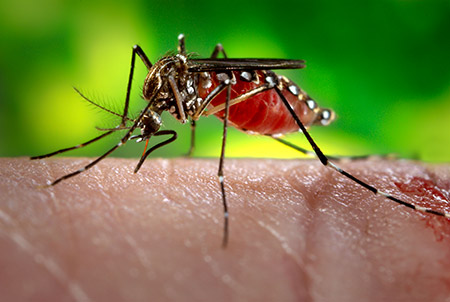
Guyana’s health authorities have initiated nationwide preventive measures following confirmation of chikungunya virus cases in neighboring Suriname. Health Minister Dr. Frank Anthony announced Wednesday that all medical facilities across Guyana have been placed on high alert to detect potential cases of the mosquito-borne disease.
The surveillance enhancement comes after Suriname’s Ministry of Health confirmed eight locally transmitted chikungunya cases, with none of the infected individuals having recent international travel history. The cases were verified through comprehensive testing conducted by Suriname’s Central Laboratory of the Bureau for Public Health and the Academic Hospital Paramaribo’s laboratory facilities.
Dr. Anthony emphasized the robustness of Guyana’s existing disease monitoring framework, noting that healthcare facilities routinely test for dengue fever and subsequently screen for other flu-like illnesses when dengue results return negative. Serum samples are then forwarded to the National Reference Laboratory for advanced Polymerase Chain Reaction (PCR) testing, which can identify diseases including chikungunya.
The Health Minister clarified that current weekly surveillance reports show no detected chikungunya cases within Guyana, with the last imported case occurring in October from a Caribbean island.
Regarding mosquito control efforts, Dr. Anthony detailed that the ministry has trained personnel within neighborhood councils, providing them with equipment and chemicals for fogging operations. While local government bodies, including the Georgetown City Council, maintain primary responsibility for fogging activities, the Health Ministry conducts independent monitoring and supplemental fogging operations.
This outbreak marks the first significant chikungunya presence in Suriname since the initial 2014 epidemic when the virus first emerged in the Caribbean region. Surinamese health authorities have issued public guidance recommending paracetamol instead of aspirin or ibuprofen for fever and joint pain management, alongside advice for adequate fluid intake, rest, and prompt medical attention if symptoms worsen.
Health officials in both nations emphasize that chikungunya cannot transmit directly between people and that infection confers lifelong immunity. Public health recommendations include eliminating mosquito breeding sites by removing stagnant water sources around homes and workplaces, wearing protective clothing, and using insect repellent.