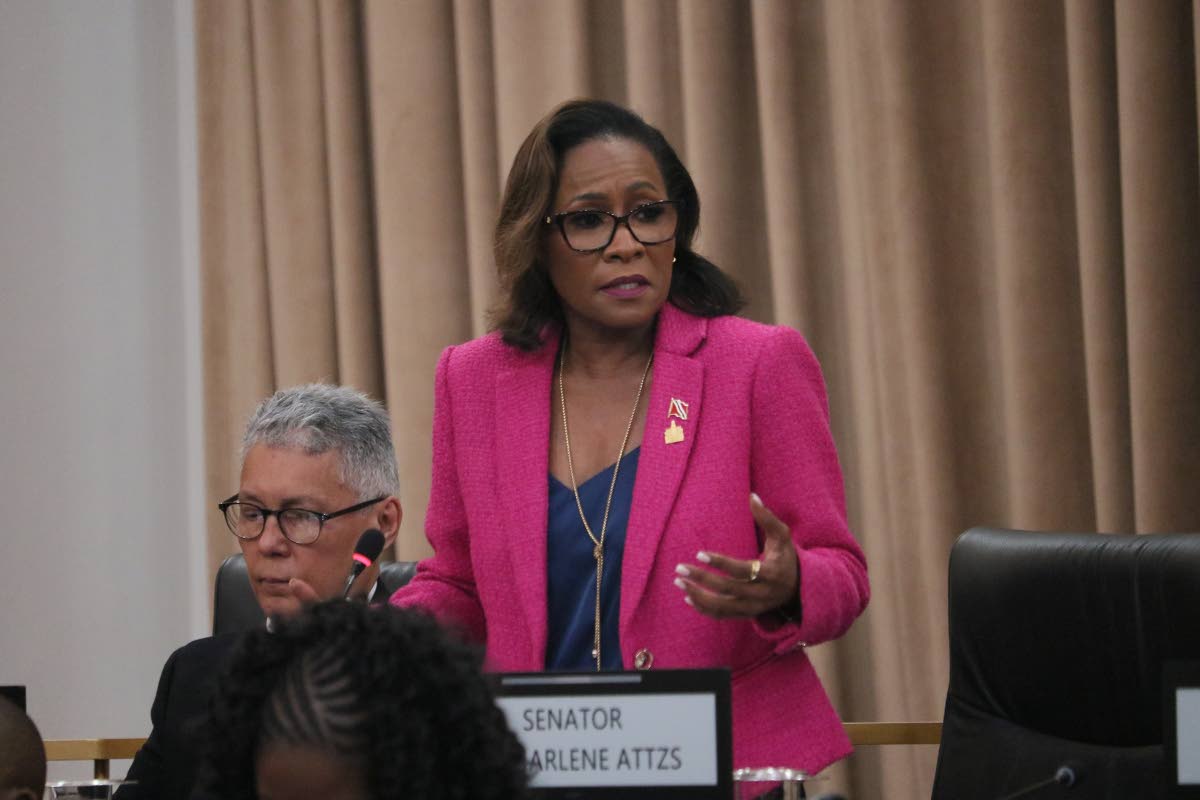
Independent Senator Dr. Marlene Attzs has raised significant concerns about potential stigmatization effects of Trinidad and Tobago’s proposed anti-crime legislation during parliamentary debates on January 21. The Law Reform (Zones of Special Operations) Bill 2026 aims to establish special security zones in high-crime communities under joint police-military command with social transformation councils.
Dr. Attzs, an economist and university lecturer, articulated that well-intentioned crime prevention measures could inadvertently brand entire communities as criminal hotspots. She emphasized the risk of collateral damage to law-abiding citizens, including hard-working parents, ambitious students, and elderly residents who have endured decades of hardship.
The senator specifically highlighted concerns regarding Clause 24, which grants security forces authority to require personal information disclosure within designated zones. While operationally understandable, she warned that indiscriminate use of such powers could create perceptions of permanent suspicion against entire neighborhoods.
Citing international research, Dr. Attzs demonstrated that community stigmatization often persists long after special operations conclude. This labeling effect manifests through employer hesitation, banking discrimination, educational biases, and internalized psychological impacts on children who begin believing their origins determine their future potential.
Her arguments referenced a 2024 Trinidad and Tobago Criminal Dynamics study by criminologist Dr. Randy Seepersad, which identified over 180 active gangs involving approximately 1,700 individuals. The research indicated that nearly 40% of murders are gang-related and emphasized that enforcement alone cannot dismantle criminal networks without sustained social intervention, youth engagement, and economic inclusion.
While acknowledging the real fear of crime affecting citizens’ daily lives—including business closures, community retreats behind gates, and normalization of violence among youth—Dr. Attzs cautioned against short-term thinking. She stressed that urgency in addressing crime must not override constitutional duties and reasoned policymaking, emphasizing that the fundamental question is whether these zones can suppress violence lawfully while producing lasting stability rather than temporary calm.