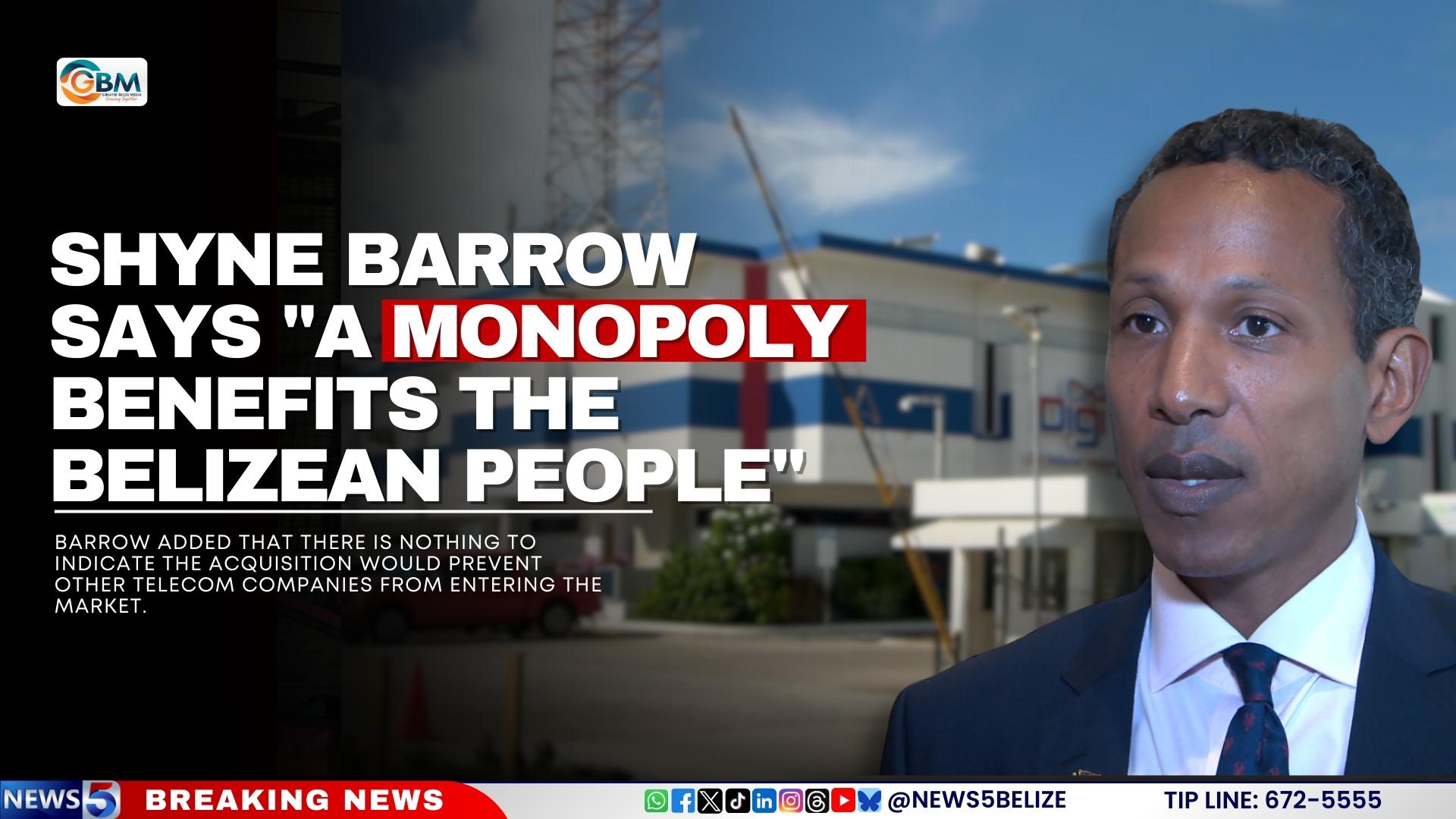
In a significant political development, former United Democratic Party (UDP) leader Moses “Shyne” Barrow has voiced conditional support for Belize Telemedia Limited’s proposed acquisition of Speednet, arguing that state-controlled monopolies can deliver public benefit. The controversial stance emerged during a January 19th press engagement where Barrow challenged prevailing skepticism toward market consolidation.
Barrow presented a comparative analysis of Belize’s infrastructure landscape, noting: “Our nation already operates sanctioned monopolies in critical sectors including Belize Electricity Limited and Belize Water Services. The ideological resistance to telecommunications consolidation appears inconsistent when examining existing market structures.” The former opposition leader specifically addressed shareholder concerns, emphasizing that since BTL operates as a public-private partnership with majority Belizean ownership, any resulting monopoly would ultimately benefit citizens through consolidated returns.
Despite his theoretical support, Barrow delivered scathing criticism of BTL’s leadership for their disastrous public rollout of the proposal. He characterized the board’s communications strategy as profoundly mishandled, creating unnecessary public distrust. Barrow particularly contested the board chairman’s characterization of BTL as a private entity, asserting: “This represents a fundamental misrepresentation of corporate structure. As a PPP model with majority public ownership, the enterprise ultimately serves the Belizean people.”
The former UDP leader simultaneously addressed internal party tensions, criticizing current UDP Leader Tracy Panton for her undisclosed meeting with Lord Ashcroft aboard his yacht. Barrow questioned the timing and opacity of the engagement, suggesting it undermined Panton’s credibility to demand transparency in the BTL-Speednet negotiations.
Prime Minister John Briceño has maintained that BTL’s board should pursue corporate interests independently, while opposition figures demand greater transparency before approving any merger. The developing situation reveals deep philosophical divisions regarding market regulation and public ownership in Belize’s political landscape.