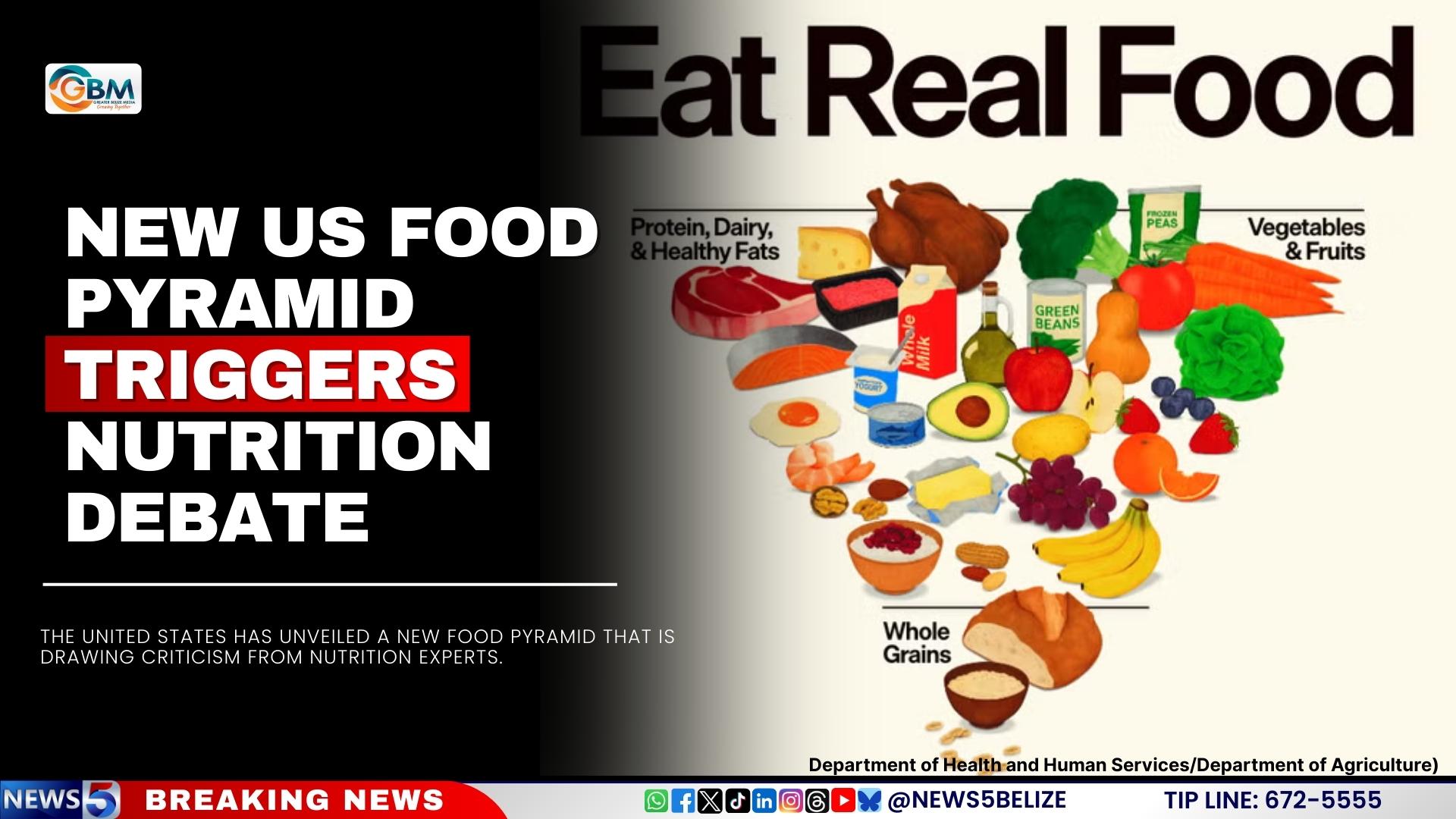
A significant revision to the United States’ official dietary guidelines, represented by a newly designed food pyramid, has ignited intense controversy within the nutritional science community. Unveiled on January 19, 2026, the updated framework maintains core advice about fruit and vegetable consumption, saturated fat limitations, processed food reduction, and portion control, but introduces substantial modifications that have drawn sharp criticism.
The most contentious aspect involves a pronounced shift toward advocating animal-based products, including red meat, full-fat dairy, butter, and beef tallow—all notable for their high saturated fat content. Medical professionals and nutrition researchers have raised alarms, citing well-established correlations between saturated fat intake and increased risks of cardiovascular disease and stroke. Experts contend the guidelines fail to provide clear, practical guidance on how consumers might incorporate these foods while adhering to established health limits.
Additional points of conflict include elevated protein recommendations, despite evidence that most Americans already exceed necessary protein intake levels. The guidelines also present contradictory messaging regarding sodium, simultaneously encouraging salt use for flavoring while advising reduced sodium consumption. Furthermore, nutrient-dense, fiber-rich foods such as legumes and lentils receive minimal emphasis, and recommendations concerning alcohol consumption remain notably vague.
Visual representation has emerged as another critical concern. The pyramid’s graphical structure appears to visually endorse high consumption of meats and saturated fats while diminishing the importance of whole grains—a direct contradiction to the accompanying textual advice. This redesign, which incorporates stronger language promoting ‘real food’ and personal dietary responsibility, has thus sparked a fundamental debate about the alignment of federal nutritional guidance with current scientific consensus.