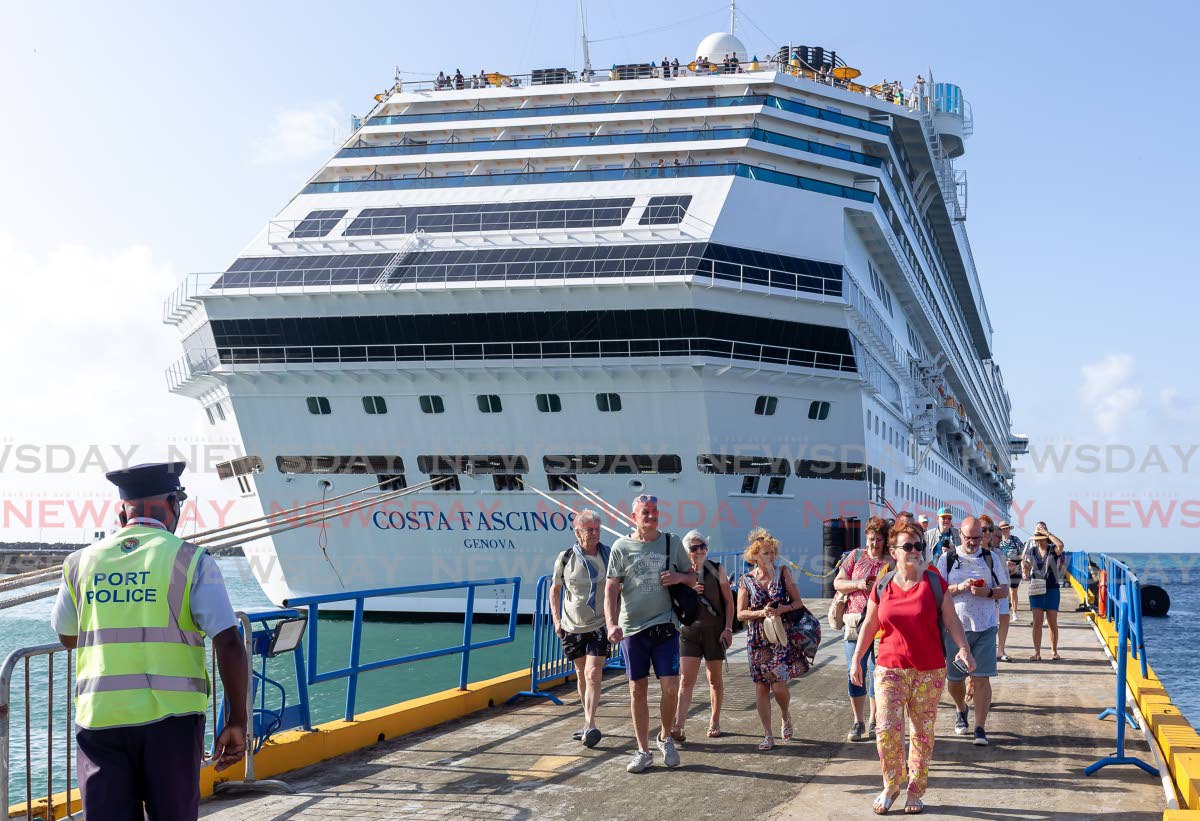
Recent media reports questioning Trinidad and Tobago’s tourism vitality due to fluctuating cruise arrivals have sparked industry debate. However, a ground-level perspective reveals a sector undergoing profound transformation rather than decline. The traditional tourism landscape has fundamentally shifted from large corporate dominance to an ecosystem of agile, digitally-native operators leveraging platforms like Viator, TripAdvisor, and Google to connect directly with global travelers.
This digital revolution has created significant gaps in official statistics. Visitors now routinely book private cultural tours, local guides, and complete Carnival experiences through direct digital channels—economic activities that remain largely invisible to conventional tracking systems. The accommodation sector mirrors this transformation, with Airbnb and Booking.com enabling stays in guest houses from Paramin to beachfront cottages in Tobago, all occurring outside traditional measurement frameworks.
Three distinctive visitor profiles illustrate this new reality: a American seeking 48-hour stress relief through cultural immersion, a Ukrainian spiritual traveler selecting Trinidad as his sanctuary, and a dedicated birther pursuing rare hummingbird species. Perhaps most significantly, transit tourism has emerged as a substantial category, with layover passengers booking four-hour tours with local cuisine between flights at Piarco International Airport—experiences completely absent from overnight stay statistics.
The sector has diversified into specialized niches including culinary tourism (focused on doubles, roti, and pelau), extended Carnival stays, heritage root-tracing, birdwatching expeditions, and medical/wellness visits. These experience-driven travelers demonstrate higher spending commitment and resilience compared to traditional cruise passengers.
The critical challenge lies in perception management. While government investment in aggressive destination marketing remains essential, equally crucial is curbing self-defeating narratives that undermine Trinidad and Tobago’s global competitiveness. The nation’s authentic cultural assets—from steelbands to calypso storytelling—represent precisely what modern discerning travelers seek. Rather than decline, the sector demonstrates evolution toward its true potential, measured inadequately with outdated metrics. The world stands ready to discover Trinidad and Tobago’s unique offerings—the question remains whether local stakeholders can align behind a unified promotional vision.