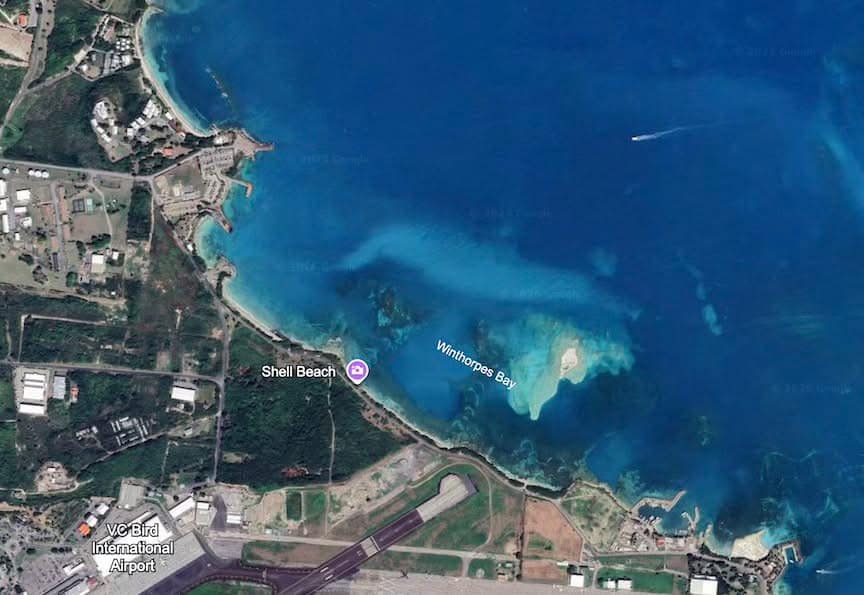
In a landmark move to stimulate local economic growth and empower residents, the Prime Minister has unveiled a strategic initiative allocating prime beachfront lots exclusively for citizen development. The program specifically targets the creation of investment properties for the short-term rental market, predominantly through platforms like Airbnb.
The initiative is designed to achieve multiple economic objectives. Primarily, it seeks to decentralize tourism revenue, which has historically been concentrated in the hands of large, foreign-owned resort chains. By providing locals with direct access to highly valuable coastal real estate, the government aims to foster a new class of micro-entrepreneurs and bolster middle-class wealth.
Eligibility for the lots will be restricted to permanent residents and citizens, with a transparent application and lottery system to ensure equitable distribution. Successful applicants will be granted long-term leases at subsidized rates, significantly lowering the barrier to entry for property investment. Accompanying the land allocation will be a state-supported program offering financial literacy workshops, hospitality management training, and small business loans tailored for the vacation rental sector.
Analysts suggest this policy is a direct response to the soaring global demand for authentic travel experiences, which favors private rentals over traditional hotels. By strategically leveraging this trend, the government anticipates a substantial increase in local GDP, job creation in construction, maintenance, and hospitality services, and a more sustainable distribution of tourism’s financial benefits across the community. However, some urban planners have raised concerns regarding potential strains on local infrastructure, including water resources and waste management, which the government states will be addressed through concurrent infrastructure investment plans.