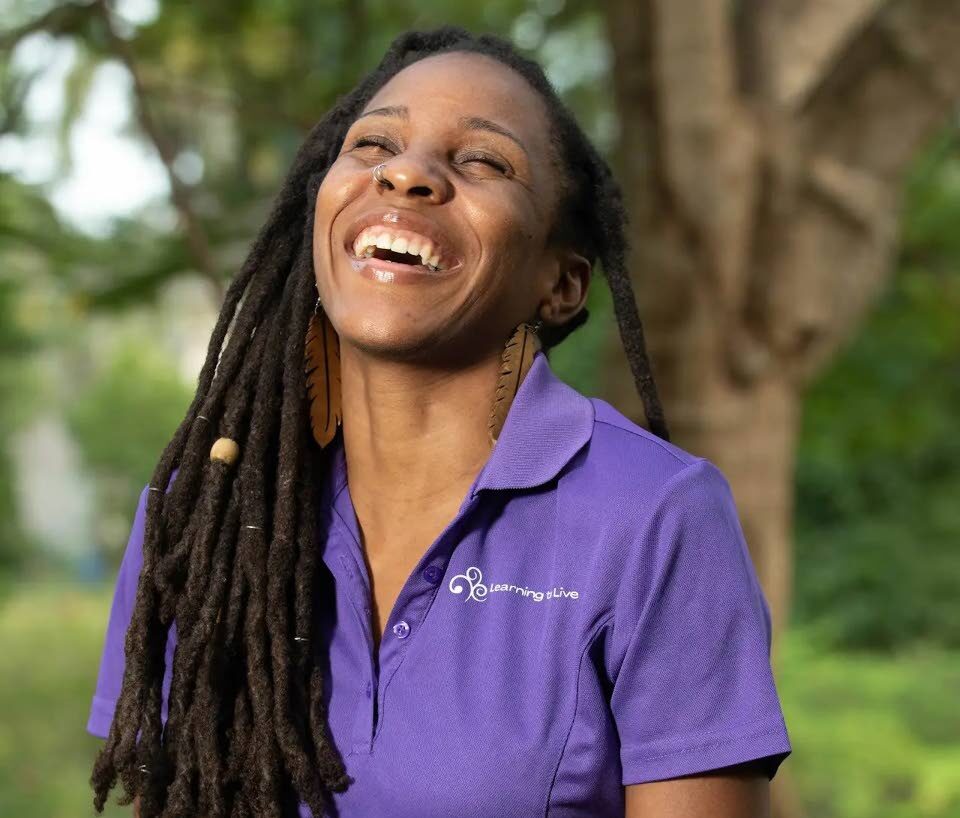
Educator Isabel Dennis has pioneered an innovative educational framework rooted in Caribbean cultural heritage that is demonstrating remarkable success in transforming the school experience for students. Her groundbreaking Village System, currently being implemented at St. Anthony’s College in Diego Martin, represents the culmination of two decades of research into holistic education methods across multiple countries.
The system draws inspiration from indigenous Caribbean wisdom preserved through traditional practices like kalinda (stickfighting) from the Bois Academy of Trinidad and Tobago. This approach has been adapted into four foundational pillars: culture, leadership, identity, and values, forming what Dennis describes as ‘restorative discipline.’ Rather than punitive measures, this method emphasizes accountability through constructive dialogue, asking students: ‘What happened?’ ‘Who was affected?’ and ‘How can we make it right?’
Beyond conflict resolution, the comprehensive program integrates taekwondo, permaculture, and specialized leadership sessions directly into the curriculum. The initiative actively involves both parents and teachers through workshops addressing contemporary parenting challenges and providing educators with practical restorative tools for classroom management.
Dennis’s motivation stems from personal childhood experiences of emotional insecurity in educational environments, driving her lifelong commitment to ensuring no child feels unsafe in schools. The program has already shown significant impact, with student participation expanding from 35 to 102 participants across three classes following demonstrated success in its initial pilot phase.
Parental feedback has been overwhelmingly positive, with reports of improved confidence, communication, and attitude toward school among participants. The program’s community-led approach demonstrates how educational transformation can occur without massive budgets or infrastructure changes, utilizing existing resources more effectively through culturally relevant methodologies.
Looking forward, Dennis envisions expanding this model across 50 Caribbean schools within five years, fundamentally shifting educational conversations from exam performance to leadership development and cultural identity. The initiative represents a grassroots movement toward educational systems that honor Caribbean heritage while preparing students to shape their future with confidence and cultural pride.