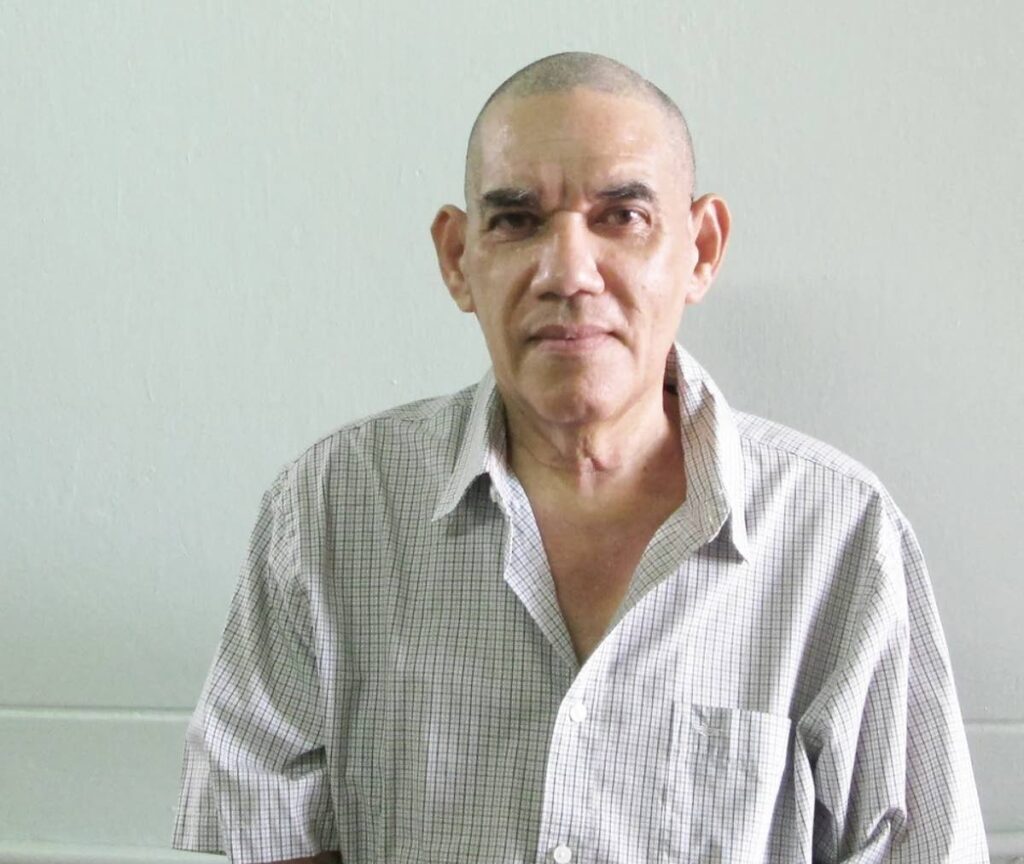
A prominent criminologist has issued a forceful appeal for comprehensive reform of Trinidad and Tobago’s financial regulatory systems following the official release of the Sir Anthony Colman Commission of Enquiry report. The extensive investigation into the catastrophic collapse of insurance giant Clico and its parent company CL Financial was formally presented to Parliament by Attorney General John Jeremie on January 16.
The report’s publication marks a significant milestone seventeen years after former Central Bank governor Ewart Williams first disclosed that the Patrick Manning administration would intervene to rescue the financially troubled CL Financial Group. Attorney General Jeremie confirmed that while civil litigation efforts have been discontinued, criminal investigations remain actively underway under the jurisdiction of the Director of Public Prosecutions.
Criminologist Daurius Figuera characterized the protracted investigation into the conglomerate’s failure as profoundly inadequate, noting the expenditure of billions in taxpayer funds over the past decade. Jeremie himself described the collapse as the most substantial case of financial fraud and economic disaster in Trinidad and Tobago’s history, with repercussions extending throughout the Caribbean region.
Figuera raised critical questions regarding the initial pursuit of civil litigation, stating, ‘The fundamental lesson from this entire affair is that Trinidad and Tobago’s supervisory structure for Colonial Life failed catastrophically.’ He asserted that proper regulatory oversight would have identified financial irregularities long before the collapse, potentially holding executive chairman Lawrence Duprey accountable before the empire’s disintegration.
The criminologist emphasized that the Duprey business empire was fundamentally built upon Colonial Life’s operations, suggesting that rigorous regulatory enforcement could have prevented both the financial debacle and the substantial taxpayer-funded bailout that followed. Figuera pointedly noted that regulatory inaction effectively facilitated an outcome that severely damaged national economic interests, including the loss of significant industrial assets at Point Lisas.
Figuera challenged the prevailing narrative by shifting focus from individual culpability to systemic failure: ‘While fingers point at Duprey, who addresses the catastrophic failure of the oversight structure itself?’ He questioned whether political interference compromised regulatory bodies and whether existing legislation governing financial institutions would be comprehensively revised to prevent future collapses.
The expert also highlighted concerning patterns in white-collar crime enforcement, observing that elite financial offenders consistently evade meaningful accountability compared to other segments of society. He concluded that strengthened regulatory enforcement mechanisms and rigorous implementation of existing oversight laws represent urgent necessities for Trinidad and Tobago’s financial system.