In a significant public health endorsement, the Barbados-based Healthy Caribbean Coalition (HCC) and the Trinidad & Tobago Non-Communicable Disease (NCD) Alliance have formally commended the government’s newly updated school nutrition standards. The organizations praised what they characterized as “bold steps” taken by Education Minister Dr. Michael Dowlath and Health Minister Dr. Lackram Bodoe during the policy’s announcement in Port of Spain on January 9.
The updated policy represents a substantial expansion of the 2017 ban on sugary drinks in schools. Under the new regulations, only water, 100% fruit juices, low-fat milk, and blended vegetable or fruit drinks without added sugars or artificial sweeteners are permitted in government and government-assisted schools.
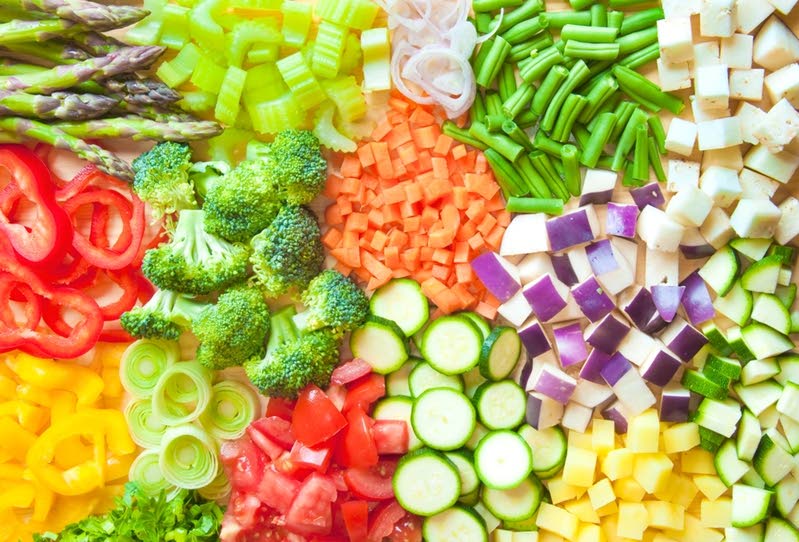
Key enhancements include explicit nutritional limits for pre-packaged snacks with specific restrictions on calories, sugar, fat, and sodium content. The policy also establishes stronger standards for meals prepared or sold in school cafeterias, promoting balanced nutrition through fruits, vegetables, lean proteins, and appropriate starches prepared using healthier cooking methods like baking, grilling, steaming, or boiling.
Notably, the initiative introduces comprehensive restrictions on marketing and promoting unhealthy foods and beverages within school environments. District health and education officers will implement monitoring and compliance mechanisms to ensure adherence. A five-point nutritional checklist will govern all snacks and meals sold on school grounds, explicitly excluding energy drinks and artificial sweeteners.
The policy addresses what ministers termed “the silent pandemic” of childhood obesity. HCC president Dr. Kenneth Connell emphasized the timeliness of these measures, noting that “childhood obesity remains a major concern for us in the Caribbean, as increasing incidence of NCDs is being recognised across the region in young people.”
Dr. Karen Sealey, chair of the NCD Alliance, highlighted the serious health implications, stating that “childhood obesity is linked to complications in children and adolescents such as diabetes and hypertension, and it tracks into adulthood.” Alarmingly, recent data indicates over 30% of school-aged children in Trinidad & Tobago are overweight or obese, with 93.3% of the population consuming fewer than five daily servings of fruits and vegetables.
This initiative positions Trinidad & Tobago alongside other Caribbean nations including Jamaica, Barbados, Belize, and Bermuda that are implementing robust measures to improve school food environments by removing ultra-processed products and prohibiting their marketing to children.