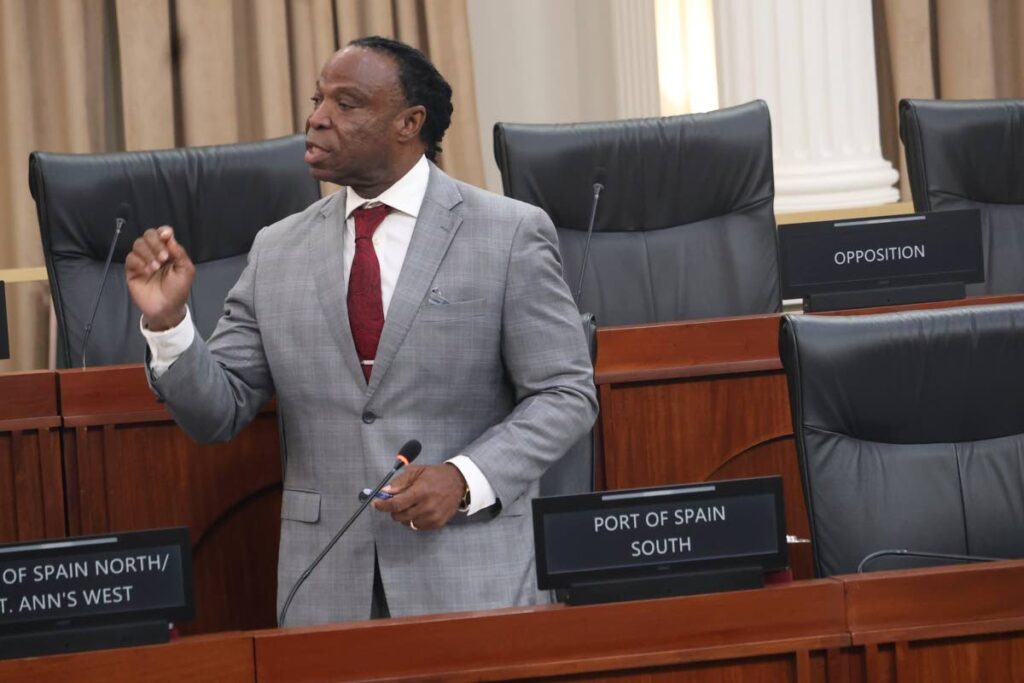
PORT OF SPAIN – Opposition Parliament Member Keith Scotland has launched a forceful critique against the proposed Law Reform (Zones of Special Operations) Bill, arguing it would institutionalize discrimination against residents in designated areas while undermining constitutional protections. During an extended parliamentary session that stretched from January 16 into the early hours of January 17, the Port of Spain South MP positioned the legislation as merely a rebranded extension of emergency powers set to expire on January 31, 2026.
Scotland emphasized that the bill fails to address fundamental concerns about parliamentary oversight, time limitations, and clear exit strategies. He cautioned that designating specific communities as ‘zones of special operation’ would subject law-abiding citizens to perpetual collective suspicion, exacerbating existing stigmatization that already hinders their access to employment and financial services.
The MP drew parallels to Jamaica’s legal experience, citing the Dayton Campbell versus Attorney General case where appellate judges ruled similar security powers unconstitutional. He questioned the government’s rationale for modeling legislation on a framework already deemed legally problematic by regional courts.
Scotland also challenged the government’s narrative of success during the recent state of emergency, noting that crime reduction achievements should be attributed to broader law enforcement policies rather than extraordinary measures. He warned against normalizing emergency powers, emphasizing that effective crime fighting requires strengthening routine policing rather than creating permanent special zones.
‘When the state of emergency was first introduced, the public expected something fundamentally different in its replacement,’ Scotland stated. ‘Instead, we are presented with legislation that risks becoming a permanent emergency under another name.’
The opposition MP further noted that historical designations of emergency measures have disproportionately targeted specific socioeconomic communities, raising concerns about embedded structural biases in security policy formulation.